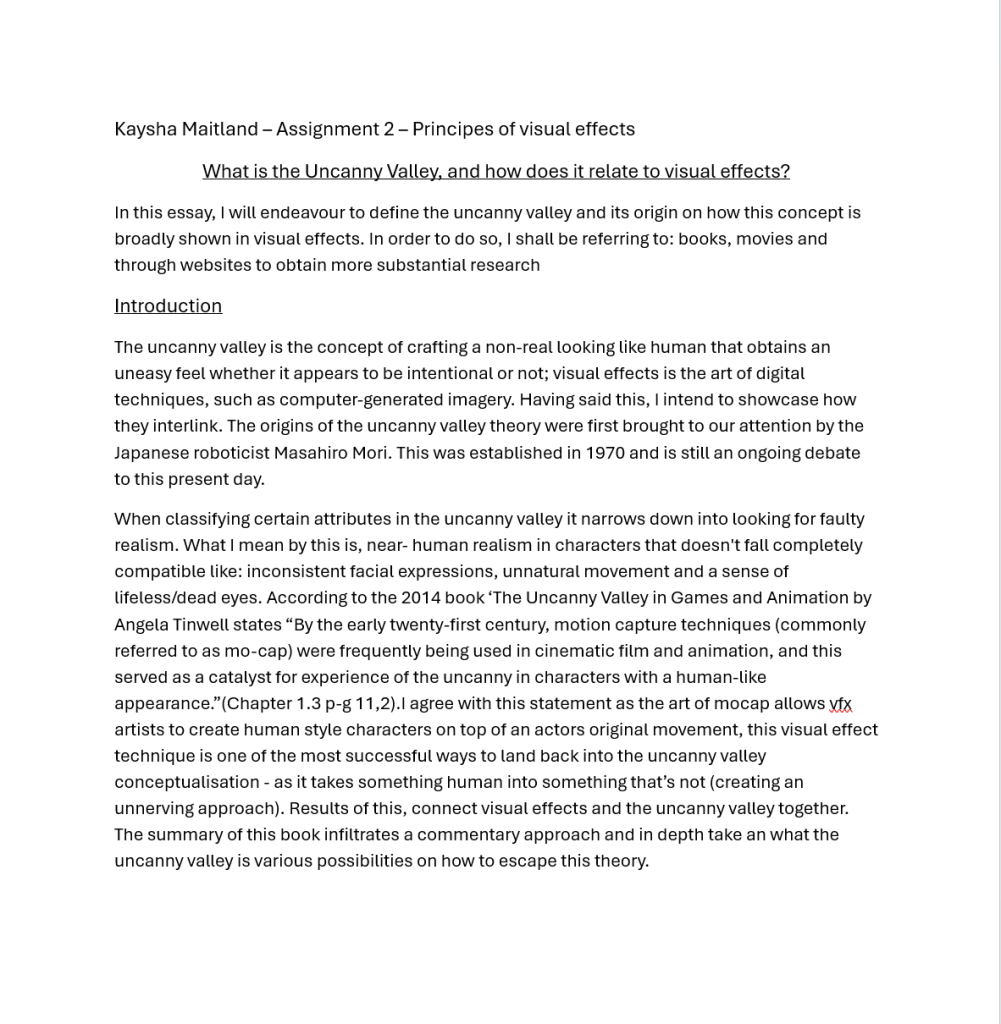
Nosferatu – German Expressionism – 1922
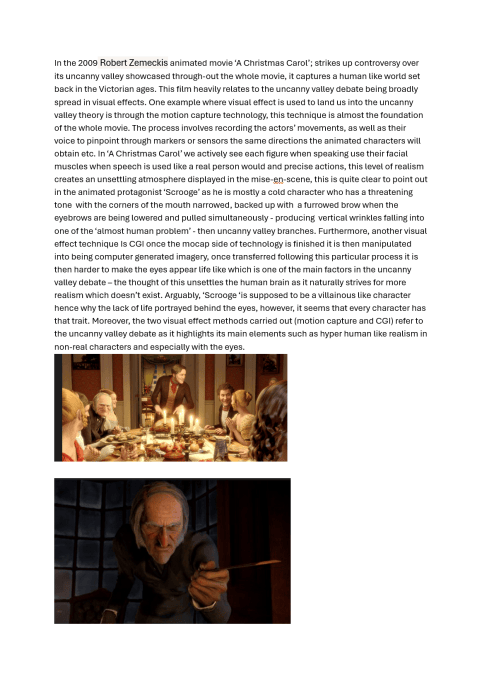
Godzilla – Gojira – Dystopian – 1954
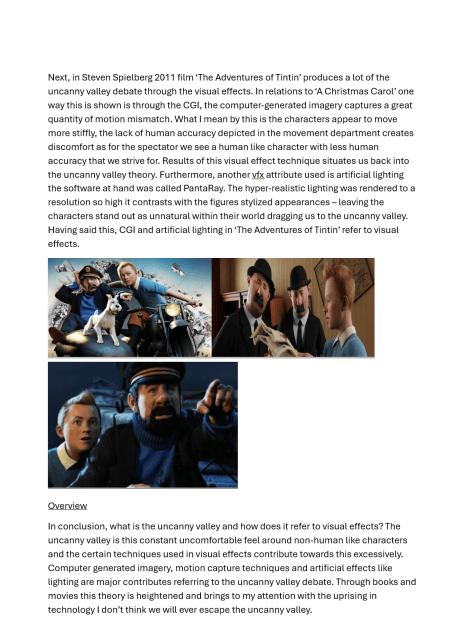
Pirates of the Caribbean – The Black Pearl –Gore Verbinski – Fantasy – 2003
-
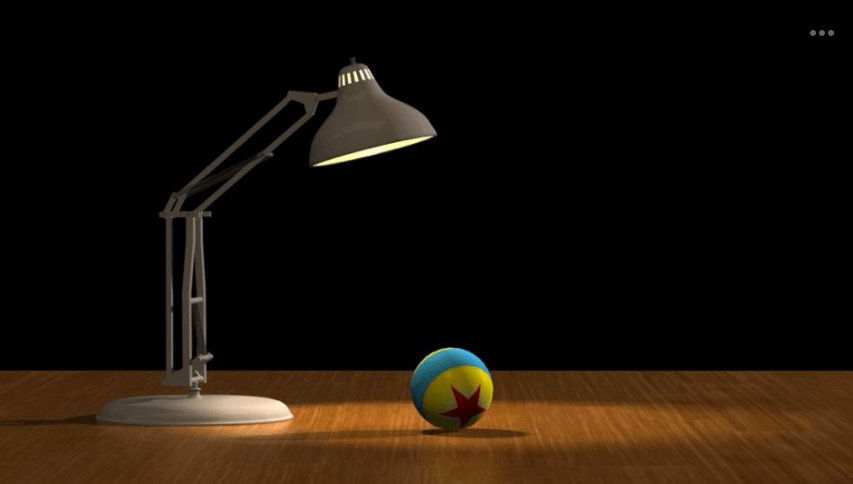 Luxo Jr – John Masseter Disney Pixar – Animation -1986
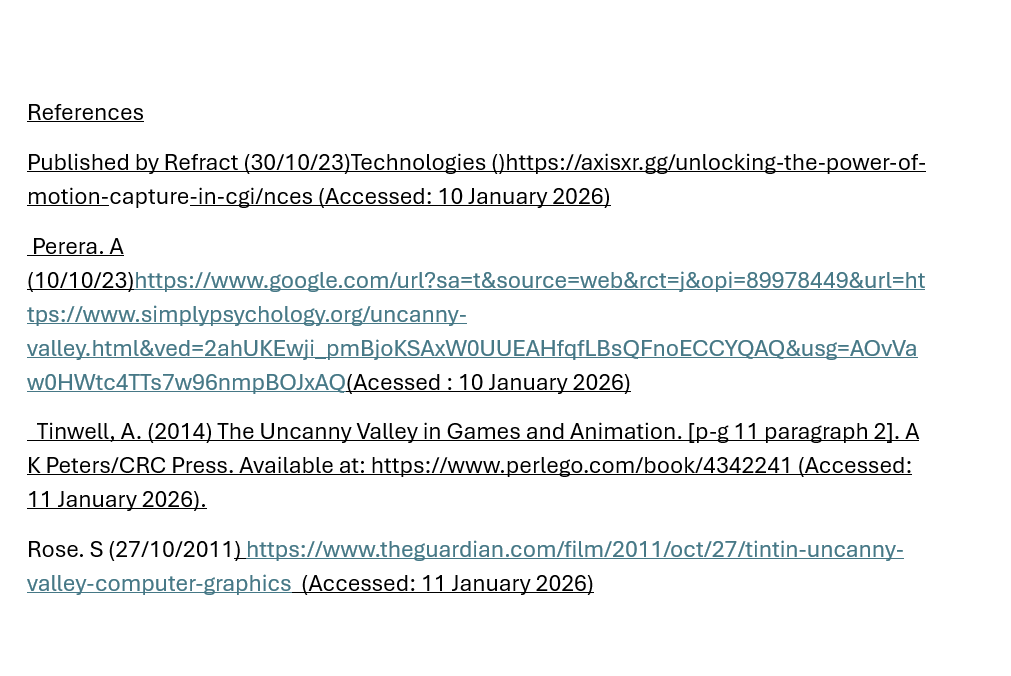
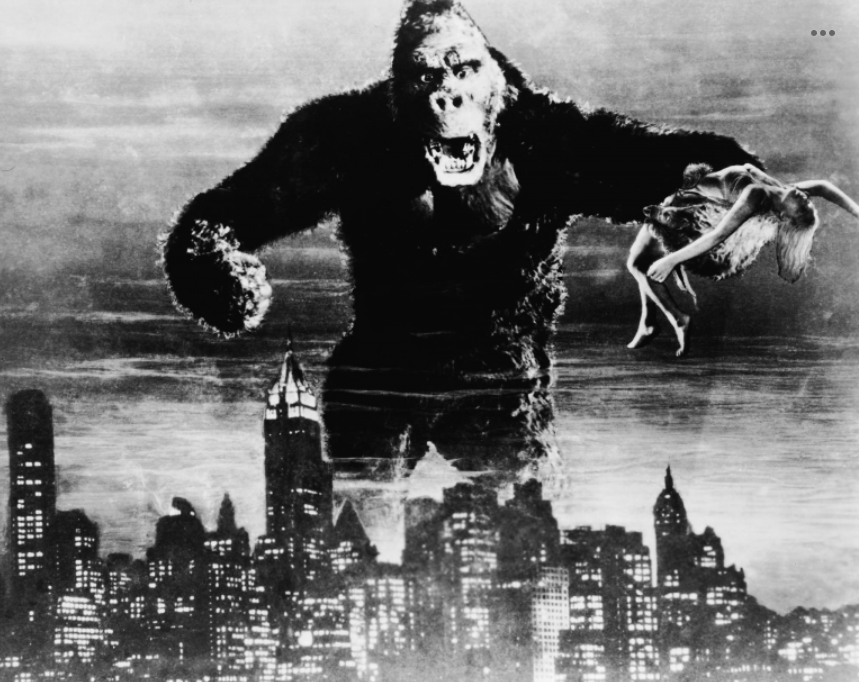 King Kong – Merain C. Cooper – Dystopian – 1933
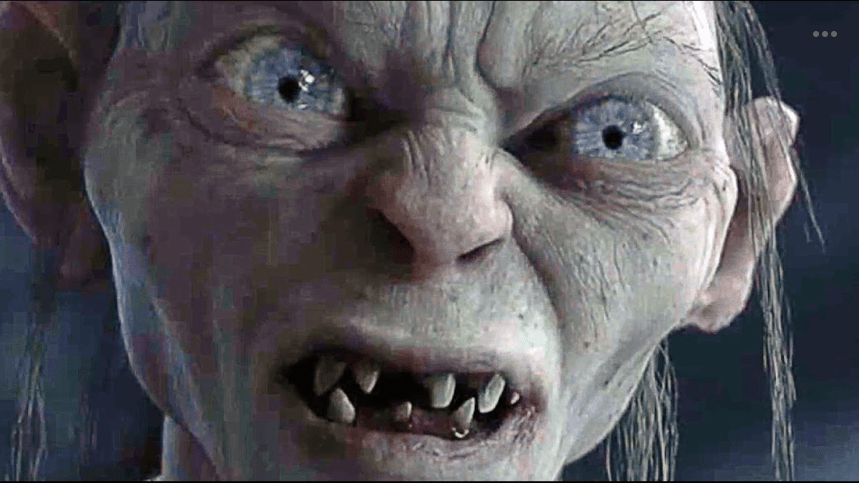 Lord Of The Rings: The Fellowship of the Ring – Peter Jackson – Fantasy -2001
- What are digital visual effects ? What do you understand them to be ?
- Digital visual effects is camera edited work, what i mean by this is the footage from camera camera is then edited in a way to exaggerate/ manipulate what appears on a screen. Ridley Scott’s Blade Runner, this scene presents an impossible atmosphere directed by software and imagery and also highlights visual spectacle elements.
- What are Special Effects, and how are they used in film or television ?
- Special Effects crates an illusion to the audience but appears natural on screen. This can be created through prosthetics, makeup and explosions through the camera
-
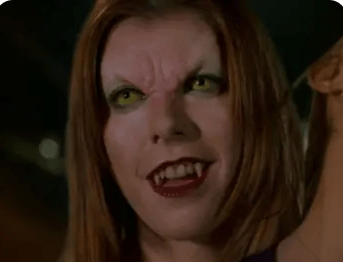
-
Homework 1
VFX vs CGI,SFX – Decoding the debate
In this debate the author starts off strong; he does this explaining each aspect (visual effects, special effects and computer generated imagery) individually with examples of technique followed by presenting how it would look on set or film in order to differentiate the difference. From my understanding in this source, visual effects uses real footage that is then modified by manipulating the imagery to create realistic locations that would appear to dangerous/ impossible etc for it to happen in real life. This process is then carried through computer software and is shown in scenes like ‘The Maze Runner- Scorch Trials‘ where we see a dystopian like atmosphere and toppling buildings etc.SFX are the practical elements within a film this includes atmospheric effects like rain/smoke, it also highlights prosthetics and animatronics.(‘Star War’ movies replicate a lot of this).Furthermore, this might be an easier element to pick out. Computer Generated Imagery (CGI) implicates anything made from scratch via computer software, this involves a lot of animation on a broader scale this could be building a whole setting, character or age in actors. As well as , the author explaining; visual effects, special effects and computer generated imagery separately he also talks about them together and how they are similar and different. One example of CGI being taken place would be in the live action ‘Paddington Bear‘, he is completely made using computer generated imagery. In the videos he explains the different techniques in frames so it is easier to distinguish each technique being used. I believe the main themes the author was trying to showcase, was the difference between VFX, CGI and SFX to verify the importance of how everything functions to produce an outstanding movie. To conclude, the source deepens my understanding by defining each area through written definition, visual presentation, and examples. Results of this, make it a great source to learn through/ follow – also displays the authors expertise.
…
Explain the differences between special effects and invisible effects and how it impacts the audience ?
Invisible effects indicate editing that can almost go totally under miss as its so hidden or you might not even think something like that would be edited. Examples of this could be editing a buildings appearance by making an average building to have more of a bleak exterior to fit the stories narrative. This is something the audience would not necessarily notice or think something like this would be edited in. This shapes the audience experience as it builds the narrative to cater for the films tone, so the spectator doesn’t think why do I have one brightly coloured building when everything else is not exedra.
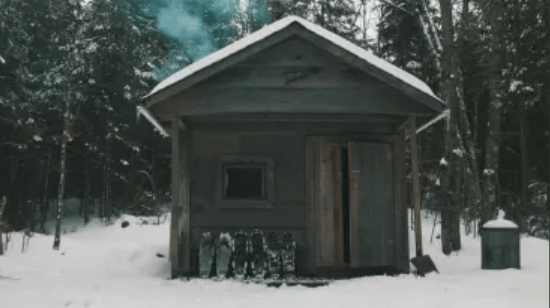
Spectacular visual effects create a sense of awe to the mise-en-scene, I would class this as more obvious effect to point out but this is not the case for everything. The spectacular visual effects will be something often cool looking that is blended in a way to create a sense of realism on stage. In ‘Harry Potter’ we see magic scenes where the audience knows this not real but because it is edited it a way it looks real for that setting like it is actually happening. Results of this hook the viewer in as simply because it is appealing to watch and fits the storyline.
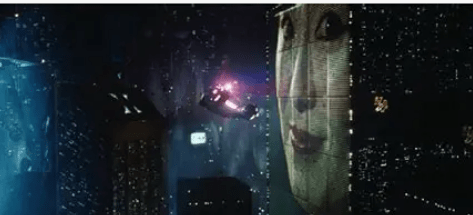
Ridley Scott Blade Runner – visual spectacle – Spectacular effects
In comparison, the difference between the two (invisible/spectacular effects) would be that the invisible effects are very hidden elements where as spectacular effects are not and invisible effects are more achievable to incorporate where as with special effects its not always the case.
…
-
Homework 2
For this homework I have been asked to write an annotation of the source ‘Hidden in plane sight: the art of invisible effects.
After reading the extract (Hidden in plane sight: the art of invisible effects) I would say that the author has a causal approach and starts off with handing out examples of invisible effects. This is executed by, listing an array of different movies and tv series -where these specific effects are taking place; followed up by visual examples so you can see the before & after, and how you wouldn’t typically think that was edited in. From the first sentence the author mentions the types of invisible effects ‘from the roaring explosions and gunfights.’ Results of this, gives us the skill to pick out the invisible vfx as we know now what to look for. Through out the extract the author talks about each individual film etc of their choice and pins a description to it, this structure makes it easy to follow and highlights the key information on invisible effects. The video is a nice touch as it allows us to see the proper way the effects were made from a more vfx artist point of view , as well as how the actors blend with everything on top of that. If I were to critique this source, I think a proper definition at the start of the extract would be a nice addition, as the spectator would know straight away what ‘Hidden in plane sight: the art of invisible effects’ – then be able to fully understand the examples straight away. Overall, this author lays out the basic foundation of the special visual effects in their work.
…
Find out who Auguste and Louis Lumiere were
Auguste and Louis Lumiere were brothers in France who were famous for being inventors/ pioneers of cinema. They used photos to tell a moving story using there own contraption the ‘Cinematograph’. The Lumiere brothers crafted the first publicly screened film the ‘Workers Leaving the Lumiere Factory’.
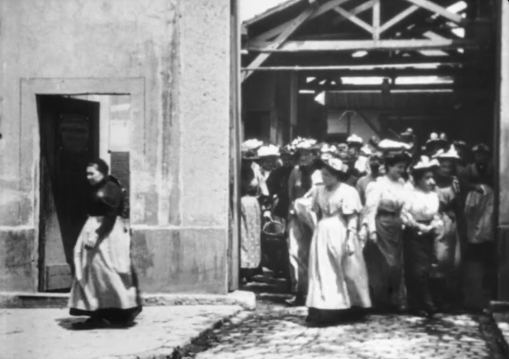
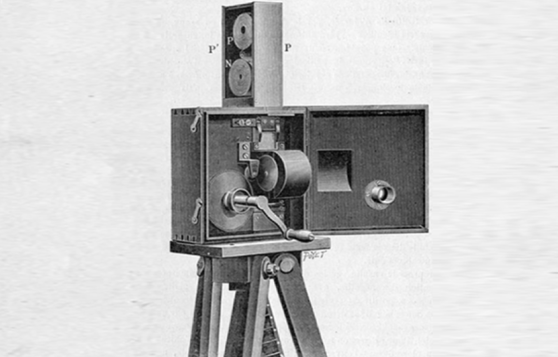
Investigate their invention of the Cinématographe and its impact on early filmmaking. Investigate their invention of the Cinématographe and its impact on early filmmaking. Identify key milestones in their cinematic contributions
In 1895 the Lumiere brothers shocked the cinematic world with their device of the cinematograph, before this the public were use to the basic short film format but never the illusion of a series of still motion shots seamlessly blended to tell a story, they later developed this and was able to produce in colour. Furthermore ,areas of this are still used today in which you could say the brothers are the founders of our modern day vfx; this would be classed as the building block of the cinematic world as from this other artists were inspired like George Mielies to take this new way of things on bard/ add too. This is one of the Lumiere brothers big establishments as through the cinematograph they were able to make history with ‘Workers Leaving the Factory’.
The Lumiere Brothers Iconic short films
‘Workers Leaving the Factory’ ‘Arrival of train’ ‘The Sprinkler Sprinkled’
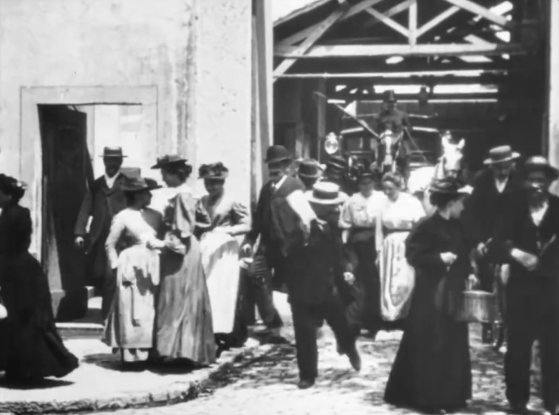
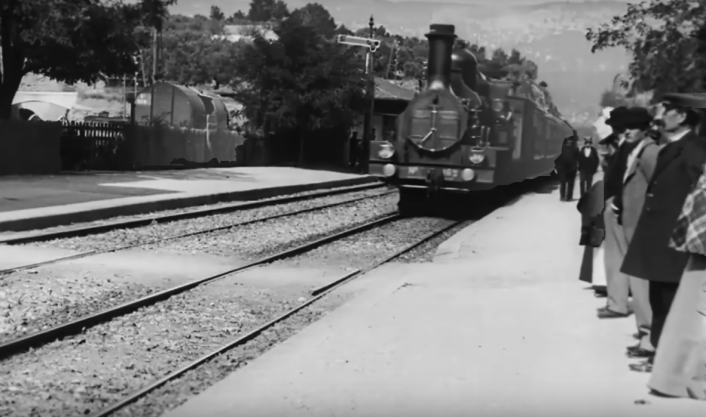
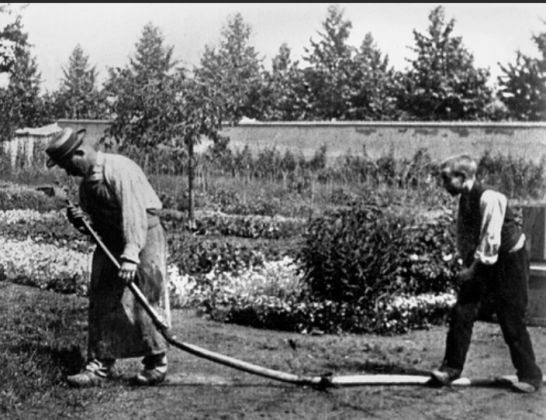
The Lumiere brothers ‘Workers Leaving the Factory’ simply shows workers leaving the factory The Arrival of the train video, once again clearly shows an arrival of a train and people In this clip we see a man watering his plants and a young boy purposely steps on the pipe
this simple clip did not appear so simple at the time (1895). When this was created it was the getting on and off. The realism produced from the Cinématographe opens up a new so the water squirts in the mans face. The man then catches the boy and starts smacking
first proper video of its time. This short film is so significant of its time as this video is the medium and expectation making it an important attribute in the film society. him. This whole short film uses very exaggerated movements and comedic attributes,
building block of our cinematic world today. some could say this helped the idea of German Expressionism, which would be quite consequential.
Homework 3
In this assignment I was directed to write an annotation for Georges Méliès on his early struggles in cinema: “The inventor’s life is not all sweetness and light!”
George Méliès was a man of many talents, he was a: filmmaker, magician, actor and inventor etc, although this extract highlights Mellie’s most famous work which still can be recognised today the still motion moon with the rocket in his eye, unfortunately Méliès did not want this image to be still motion he wanted it to move like the Lumiere brothers but could not figure out how to do so. After that Méliès took it upon himself to come into contact with the Lumiere Brothers and asked them to share there new piece of technology with him, but they chose not to and keep it for themselves – leaving Méliès in the dust. Results of this, led Méliès no choice but to try and start developing his own technology through a lot trial and error; ultimately this took up a lot of time and money. In this era (1895s) money and time was everything with this new invention from the Lumiere Brothers this would change cinematic history as we know it today, Méliès picked up on this and kept working on this until he eventually manged to recreate his own version. In summary, this text does refer to George Méliès greatest work and talents, it also shows his mistakes and processes to achievements, even though he didn’t figure out everything straight away it still presents him as a hard worker for all of his elements and really infiltrates “The inventor’s life is not all sweetness and light!”
…
Ray Harryhausen
Ray Harryhausen was an American-British special effects creator/ animator. Mr Harryhausen’s most recognizable for developing stop-motion animation techniques, he worked on Dynamation – this process allows actors and animated models to come into close contact with one another. This method is quite broadly used in Hollywood still and has been developed so much to the point where animated models have a realistic field, we can see Ray Harryhausen’s work in films like ‘Mighty Joe’ (1949),’The Beast from 20,000 Fathoms’ and ‘Clash of the Titans’ (1981) etc, all together he influenced the Dynamation on 17 movies and other directors and filmmakers have used his techniques. Results of this broadened the cinematic world and made it an essential element for the frequent changes in Hollywood.
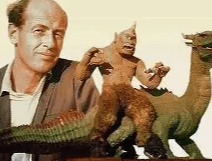
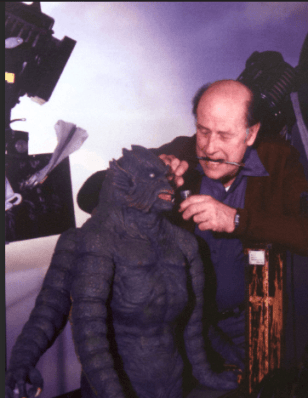
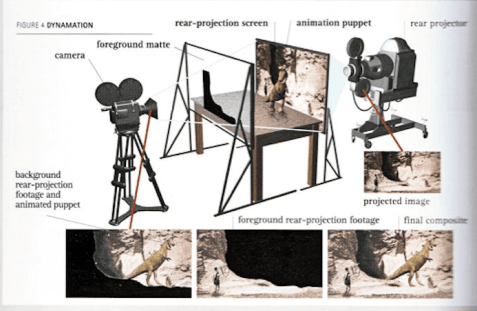
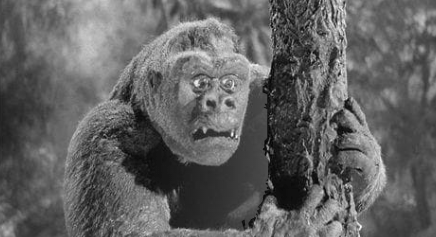
Some of Ray Harryhausen’s key moments would be taking an interest in one of the most recognisable/ developed films as we know it today ‘Kong. ‘The 1933 Kong movie was one of the first attributes of stop-motion animation. Results of this, led Harryhausen to put into action his well known technique as Dynamation. The first ever project he worked on was ‘Mighty Joe Young ‘this is one of Harryhausens peak moments in his career as this is first solo feature, and progressed ever since. Harryhausen was co-responsible for intricate stop-motion sequences for the giant gorilla, Joe, as well as bring him to life and shoot encounters with objects/humans. The outcomes of this foreshadow what we have to day, Ray Harryhausen’s Dynamation and work etc has inspired and influenced what we have today.
Homework 4
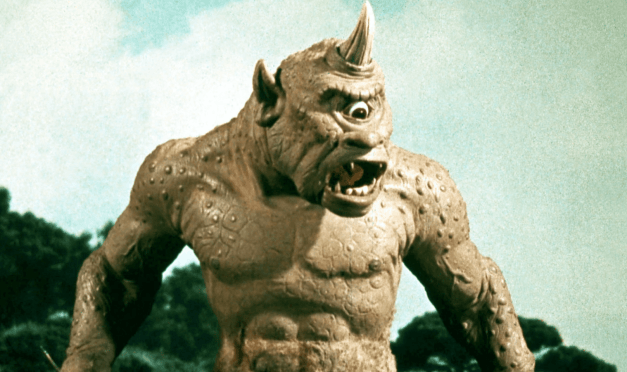
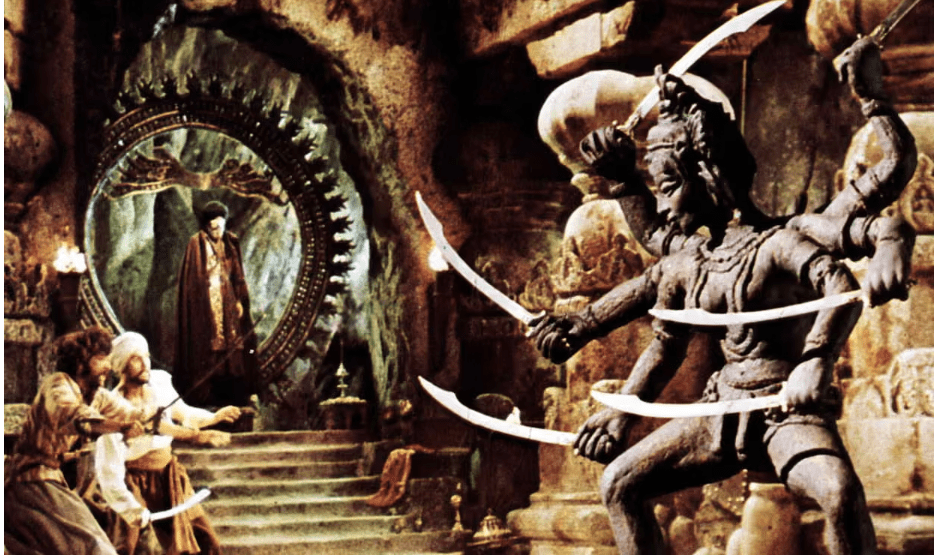
For this task I was instructed to find our own article on Ray Harryhausen and make a summary, I have chosen the Guardians post on Ray Harryhausen (Ray Harryhausen’s art raid: where the effects genius found his terrifying monsters | Art and design | The Guardian). This article was written by Jonathan Jones, where he displays Harryhausen’s ‘effects of genius found his terrifying monsters;’ he takes a causal subjective approach/anecdote for his page Jonathan Jones starts of by attaching a picture and caption of the monster, followed by explain some of the movie featuring the monster cyclopes and other depictions/descriptions of the movie he presents this in a theatrical narrative tone. I believe the author uses this technique to bring light and depth upon Ray Harryhausen’s great work, he also references the specifics of what terrified his as a kid (I have referenced images below).Next, Jones mentions how Harryhausen was able to create these models and brings them to life he says ‘Harryhausen built rubber models on flexible metal frames that he could move bit by bit’ this information tells us how he made his famous creatures, we also learn that Harryhausen was influenced by Willis O’Brien, the creator of King Kong. Secondly, we find out that Ray Harryhausen took an interest in Greek mythology, which catered most of his work. One example we get from the text is ‘Percy Jackson’. In summary, Jones gets his point across about ‘Harryhausen’s art raid: where the effects genius found his terrifying monsters’ by bringing to light his influences, how they were instructed and reference images.
Trip to Framestore
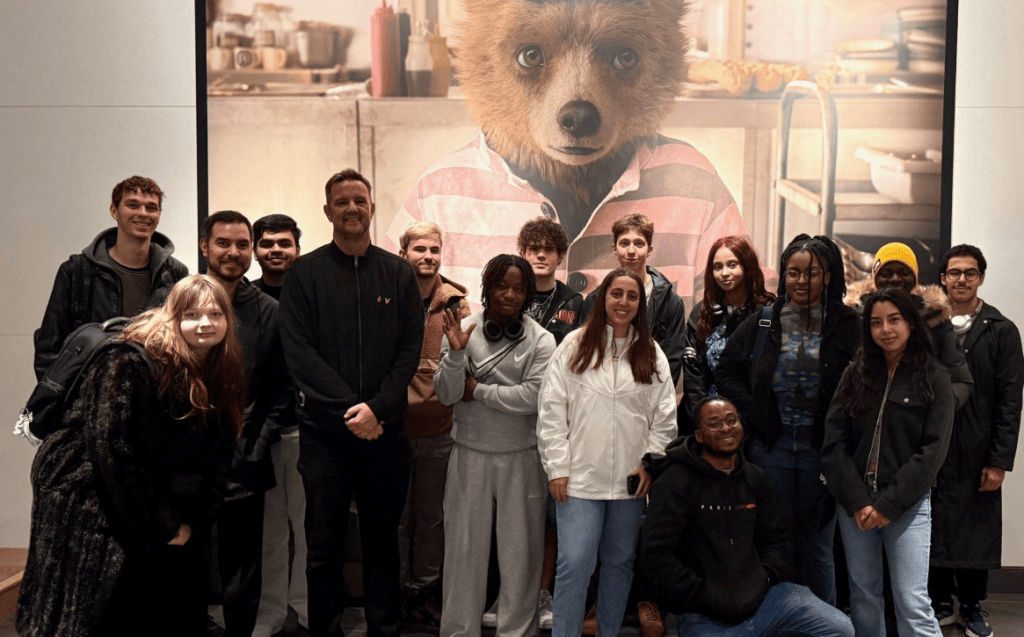
This was a very educational trip to Framestore, our guide showed us some of the movies they have worked on and key information on what goes into making these effects to films to cater to the story lines at hand. I was surprised to find out that Framestore doesn’t only produce films, but tv adverts as well. Overall this was a very detailed and impactful tour I would love to maybe be part of their team in the future.
…
Fractal development in Computer Generated Imagery
GODZILLA
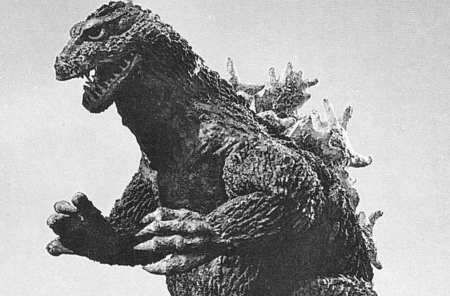
GODZILLA (1954).
This film solely relied on traditional visual effects, Godzilla was in fact a rubber suit wore by an actor who had to wear to this 220 pound suit for long periods of time and struggled to breathe. The other attributes in the movie like the trains were all purely models and the humans they used rear projection to capture the interactions to make it more realistic.
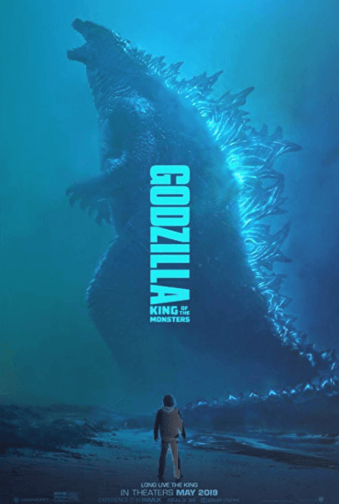
GODZILLA (2019) is a updated version of the original however since the times has changed so has the effects. In this Godzilla they use an array of CGI and keep the main basis of the original storyline such as, tormenting people and destroying the city. This modern type of Godzilla is more realistic and less danger to actors.
Do you agree remakes should honour the original styles over modern visual effects technology?
I do not agree that remakes should honour the original style over modern visual effects technology. I believe that modern filmmakers should appreciate the traditional ways but not reciprocate it today. The film world has truly changed for the better, in my opinion with out this dynamic shift of a change the film world would slowly die over time due to the lack of technology. Nowadays the technology we have today is superior, he film industry would lack of we were to start reverting to our old ways as the expectations are too high now.
What was the first CGI ever produced?
The first ever CGI ever produced is deemed to be from Alfred Hitchcock’s film ‘Vertigo’. The 1958 film featured a technique called the ‘dolly zoom’ purely made my camera and not manipulated in through cameras that we have today. Hitchcock created this effect by zooming the camera in and out, he did this to manipulate the disorder vertigo.
Key figures in CGI history
Alvy Ray Smith (1943)
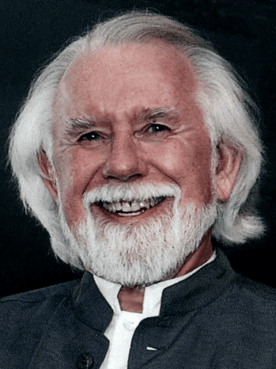
Mr Smith has a big impact in the CGI world as he created the HSV colour space, this is a sense of colour theory and how they can be manipulated in specific projects. Results of this, has led to the progression of colour spaces in computer graphics. Alvy Ray Smith is most famous for being the co- finding father of Pixar in (1986), the Pixar company is very popular today.
B: Loren Carpenter
C: John Lasseter
D: Ed Catmull
- What are this person’s major contributions to CGI?
- What companies or projects were they involved in?
- What technologies or techniques did they help develop?
- What impact did their work have on animation or film?
- A brief biography
- Key achievements
- One visual or video example of their work
- A quote or insight from the person (if available)
- Compare their roles in founding Pixar and advancing CGI.Discuss how technical innovation and storytelling came together.Reflect on how CGI has evolved since their early work.
Homework 5
For this assignment my task is to write an annotation for Lev Manovich – What is digital cinema?
In this essay the author highlights the dynamic changes in history of the cinematic world. Manovich goes into depth on the time periods of when these adjustments were made and how in reference to animation, to digital cinema. Lev Manovich starts of with a contextual/historic approach by addressing the fact he feels everything that happens nowadays does not hold any of its previous attributes. The idea of animation in the text is referencing the old traditional ways we use to construct films and digital cinema showcases the significant/superior changes in the film world. In the mid 1800s etc we used the manual construction of images was a very symbolic element of the traditional ways which factored so much joy at the time which is now deceased. In present day, filmmakers do their best to incorporate the most realistic way possible to craft their movies. In summary, Lev Manovich, gives an in depth take on the rising chances of early cinema compared to the technology today, he conveys an array of examples backed up with the time reflection.
Description of Author – Lev Manovich (1960)was a teacher at the Graduate Centre at the University of York and is an author who has published 15 books. He had written the text I have annotated (the language of new media),software culture and AI aesthetics etc
…
What is ” The Uncanny Valley” in computer animation ?
Identify the Uncanny Valley
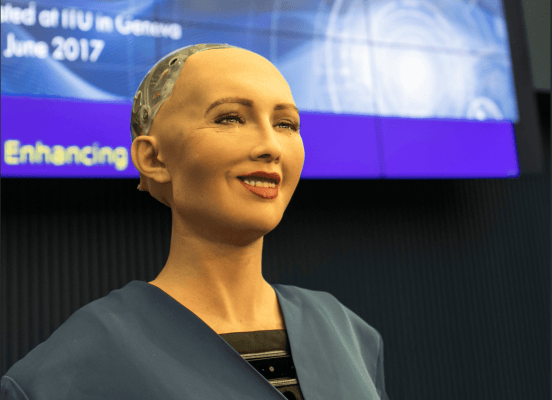
- The uncanny valley refers to the idea of humanoid objects representing human like characteristics/ mannerisms etc. Examples of this would be the famous robot Sofia, she has human like skin and facial features like a real human, she even can blink and move her jaw and mouth when she talks. However, it is obvious she’s a robot even though Sofia speaks she does have a very computer generated voice and not all of her has a complete human like structure, some might say because of this, it gives her a foreboding like energy.
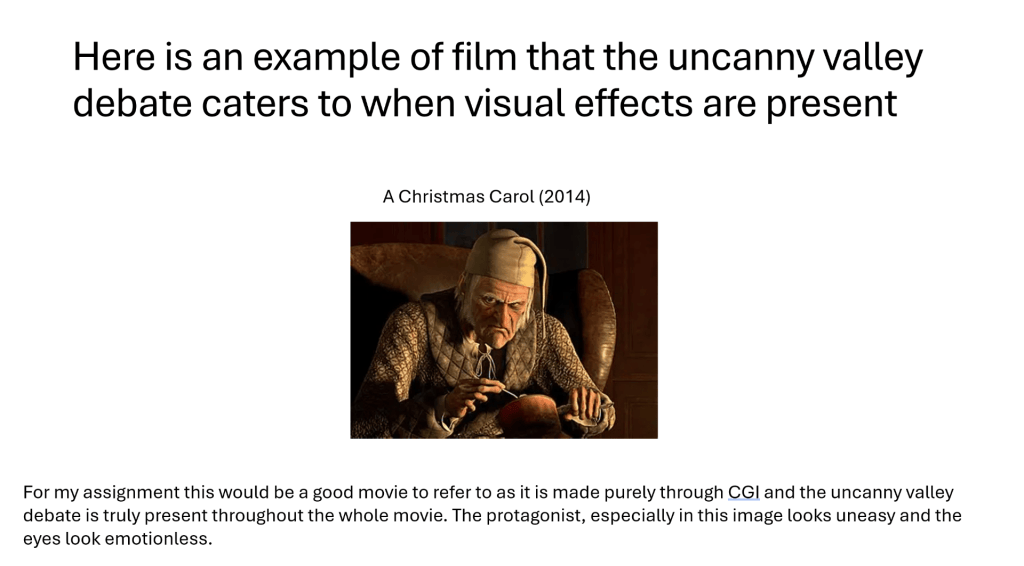
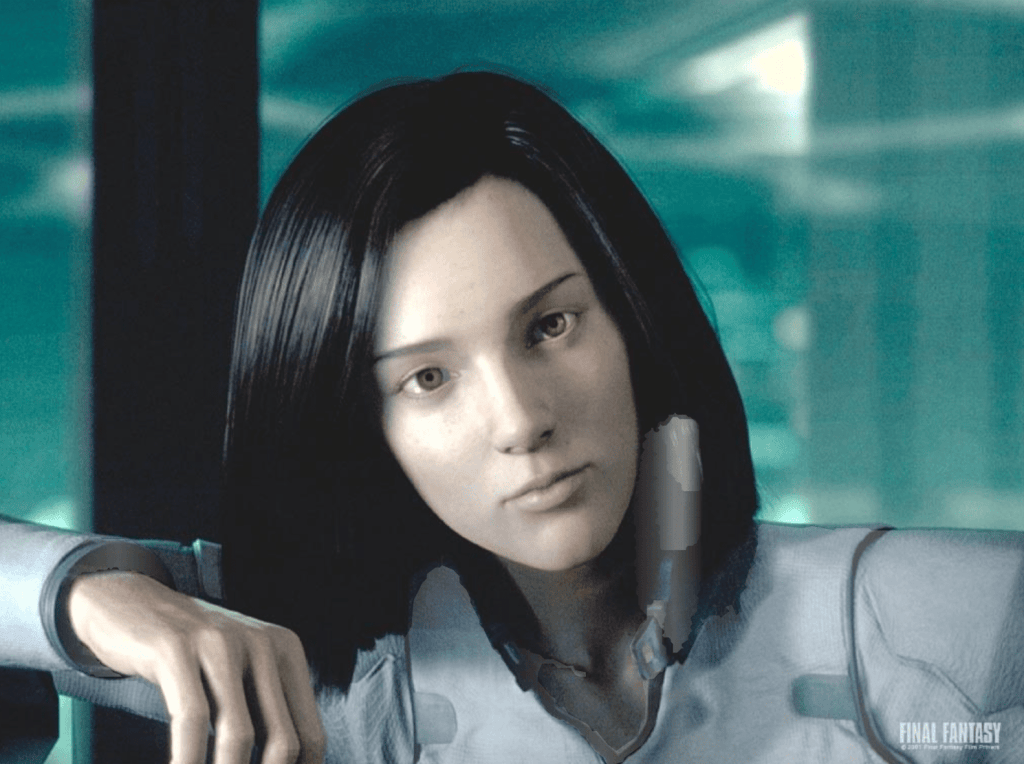
One more example of the uncanny valley effect would be in animation ‘final fantasy: the spirits within’. The female in this has purely been created through computer generated imagery, the CGI in this is very good, she completely looks and talks like a woman would but you know she is not. In reference to Sofia they both have this eerie to feel them, in particular to this reference I feel like the eyes are the reason for the unsettling resonated in this image.
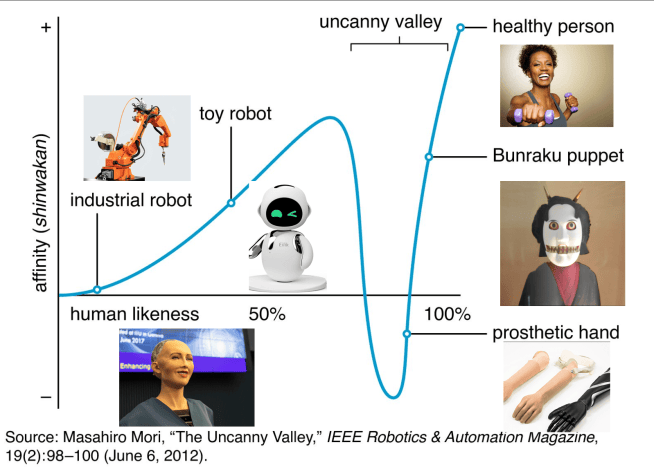
Homework 6
For this assignment I have been instructed to annotate ‘The Guardian’ text on the ‘Uncanny Valley: why we find human-like robots and dolls so creepy’ by publisher Stephanie Lay, (she uses a problem to solution like approach).The author starts off with an introduction to the concept of – the uncanny valley is to craft a non-real looking like human that has an uneasy feel whether or not it appears to be intentional . Lay structures this article by adding on her own influences to what an array of others have spoken about on this subject, the idea of this shows a lot of understanding on the reasons why this psychological effect is obtained. From this source, it is bought to our attention the origin of this theory “it was first hypothesised in 1970 by the Japanese roboticist Masahiro Moro. “Results of this , bring to light the idea of the uncanny valley is an ongoing subjective theory. Lay believes that giving humanoids happy expressions backed up with foreboding fearful eyes is the pivotal cause of the uncanny valley . However the author believes to astray away from this topic , artists should tone down how human like these caricatures etc are, but with the uprising / advance technology we have today it is unclear to state if we will ever be able to get out of this thesis .In summary, Lay does a great job of breaking down the uncanny valley and gives an in depth take expanded by what others have proclaimed to develop/ enhance her views .
…
The Disney and the Principles of Animation
Squash and Stretch
– The idea of the ‘squash and stretch’ technique is commonly used to create a sense of momentum and realism to an object or character.
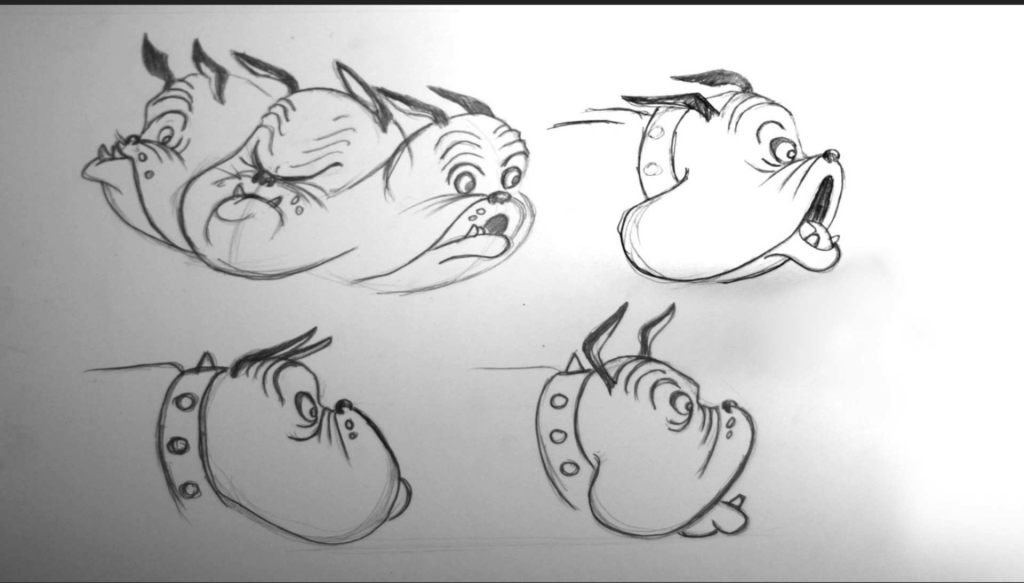
Anticipation
– This is the preparation of an action before the main action is produced, this is demonstrated in the picture below.
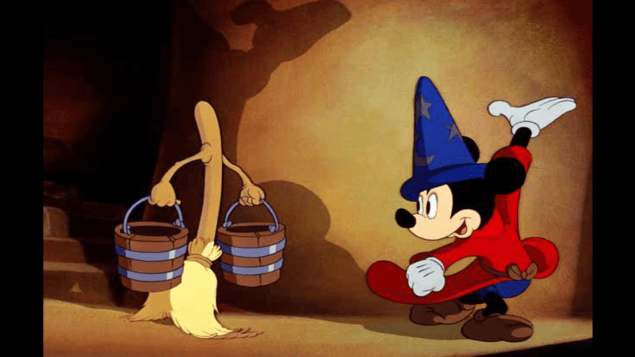
Staging
– The art of staging is to show through the mise-en-scene the next source of action is obvious to the audience.
Straight Ahead & Pose to Pose
– This principle reflects to the sense of multiple frames being used to produce a particular movement, with the end results of that particular movement being realistic.
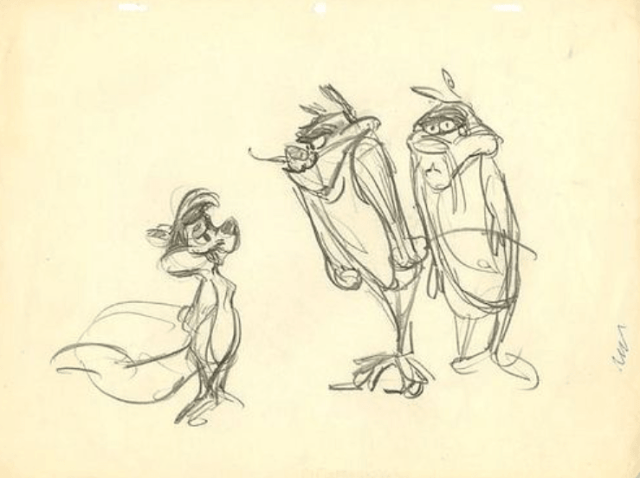
Follow Through & Overlapping Action
– The idea of the ‘follow through &overlapping’ principle removes to the character making some sort of exertion where the different pats of the body moves at different times/speeds depending on the action.
Slow in & Slow out
– Results of this showcase how characters or objects accelerate when about to perform an action, then the declaration when that action is begging to come to an end. The image below captures the 6th principle accordingly.
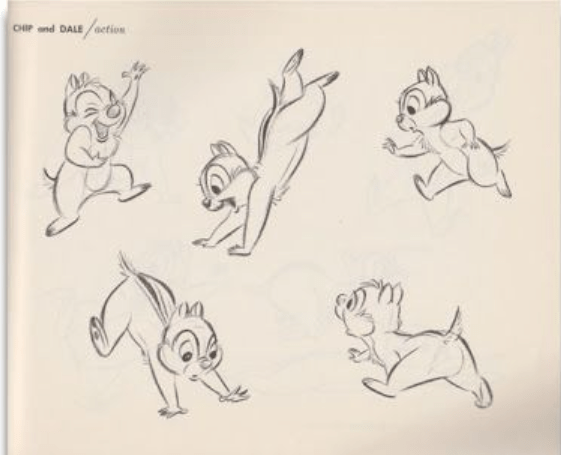
Arcs
– Arcs present the simple scheme of an action looking the most natural backed up with and ever so slight parabolic path or bend instead of a straight line
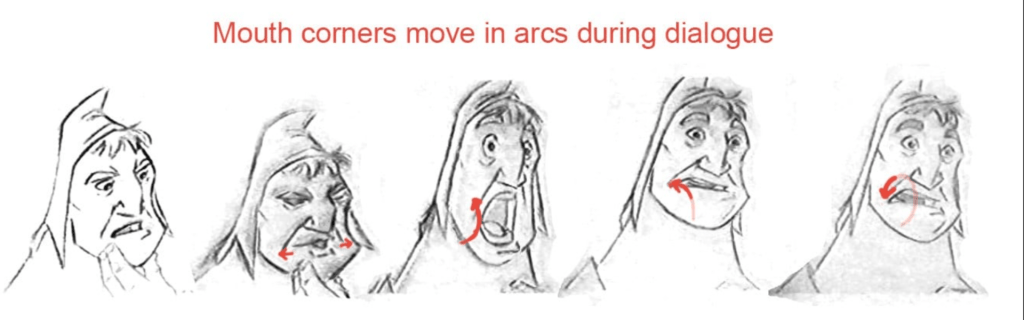
Secondary Action
– A ‘secondary action’ refers to a small supporting movements that are displayed at the same time as the main action. Reasons, for this is to add a bit more depth to the character and life like mannerisms.
Timing
– The concept of having a series of frames/drawings for a motion to work out its duration and speed etc.
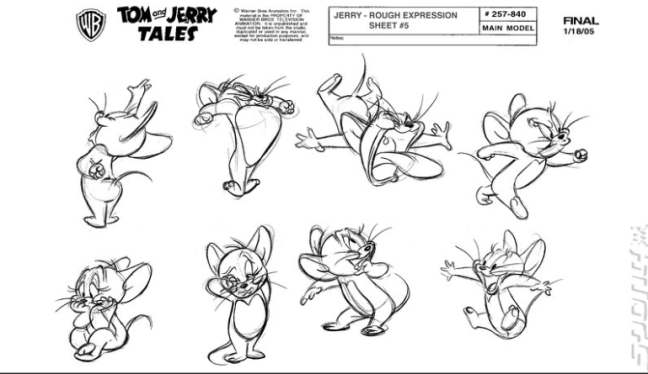
Exaggerating
– Exaggerating in the 12 principles of Disney animation presents an over the top movement or expression to really indicate to the audience what happened or occurred.
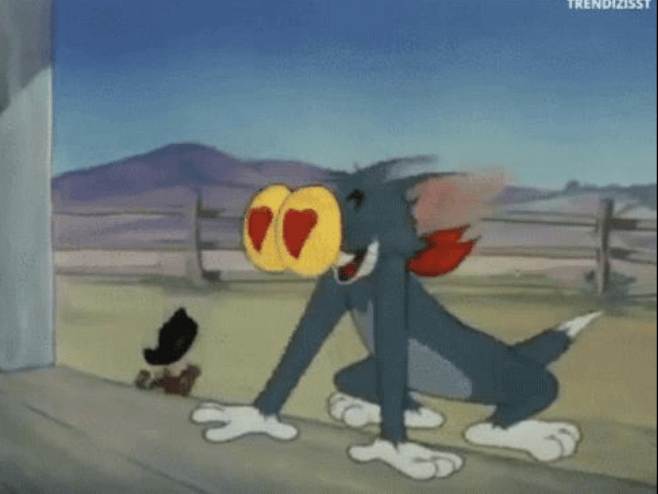
Solid Drawing
– Sketches are used to see how a character would function visually/ accurately to ensure the 3d attributes and life like proportions follow accordingly.
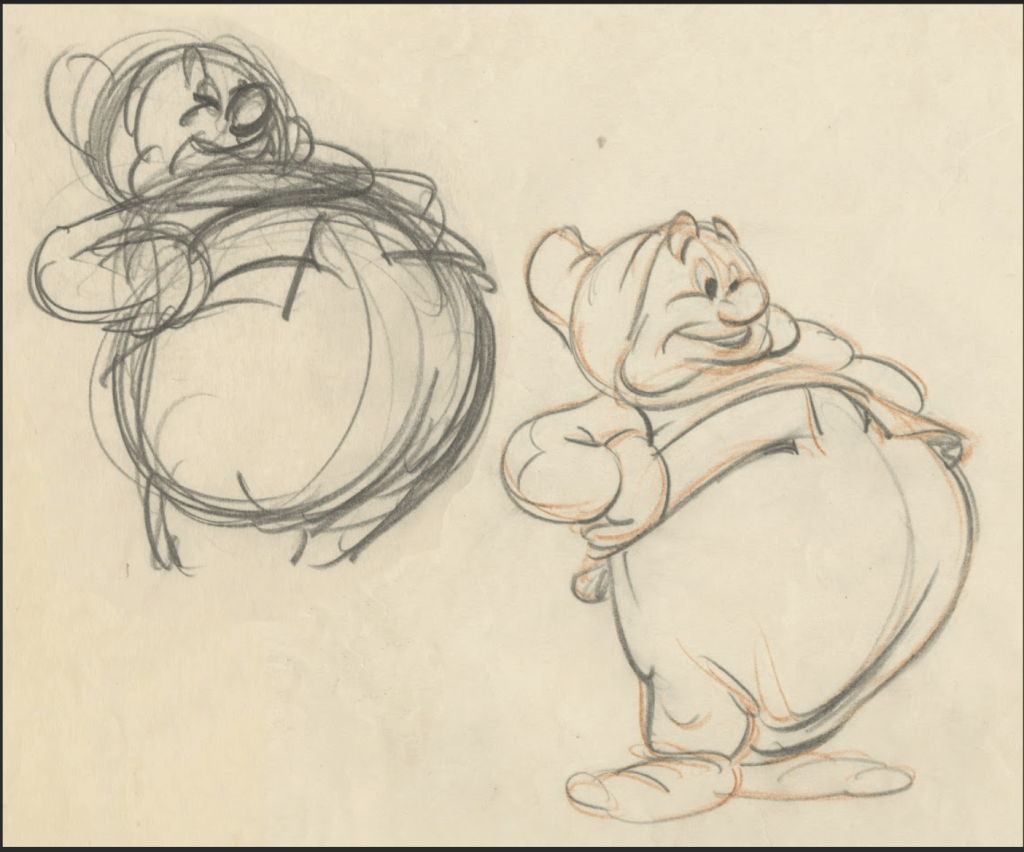
Appeal
– The last principle is used to make a character or mise-en-scene visually inviting to the audience.
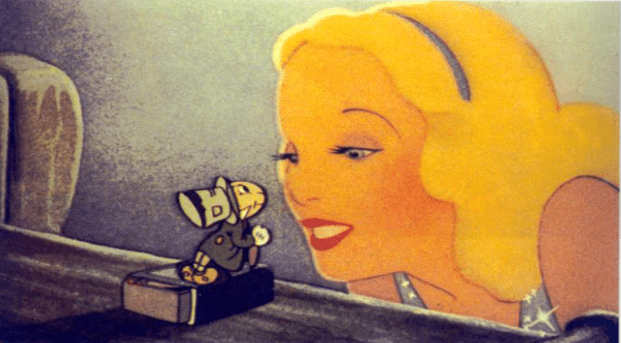
Assessment – Preperation
What is the Uncanny Valley, and how does it relate to visual effects ?
Plan
Book 1 – The Uncanny Valley in Games and Animation – Angela Tinwell – 2014
Book 2 Uncanny Valley – Anna Wiener