Visual Narrative

Introduction – Visual Narrative

For this module we were greeted to an overview in what we will be covering for this part of the course such as structure and assessments as well as, disclosing the idea of narratology and how narrative correlates with photography. Results of this, will help us to understand the narratives we read in photographic projects/photographs.


After our detailed introduction of the course our first task was to take simple portrait pictures of each other to get a feel of the camera and how lighting caters to a simple photograph.


Introduction to Photography

In our every day-to-day life we see photography all around us; some ways it is presented is through art and documentation. The main elements of photography are: exposure, aperture and ISO

Exposure Triangle

Exposure – when capturing footage exposure refers to the amount of light that hits the cameras sensor, results of this determines the brightness.

Aperture – this refers to how much a lens is open/closed controlling how much light passes through.

ISO – measures the cameras sensitivity to light and effects whether or not we will get a high or slow shutter speed photo.
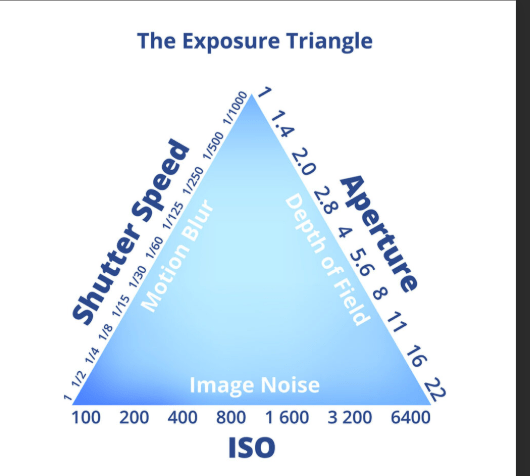
 

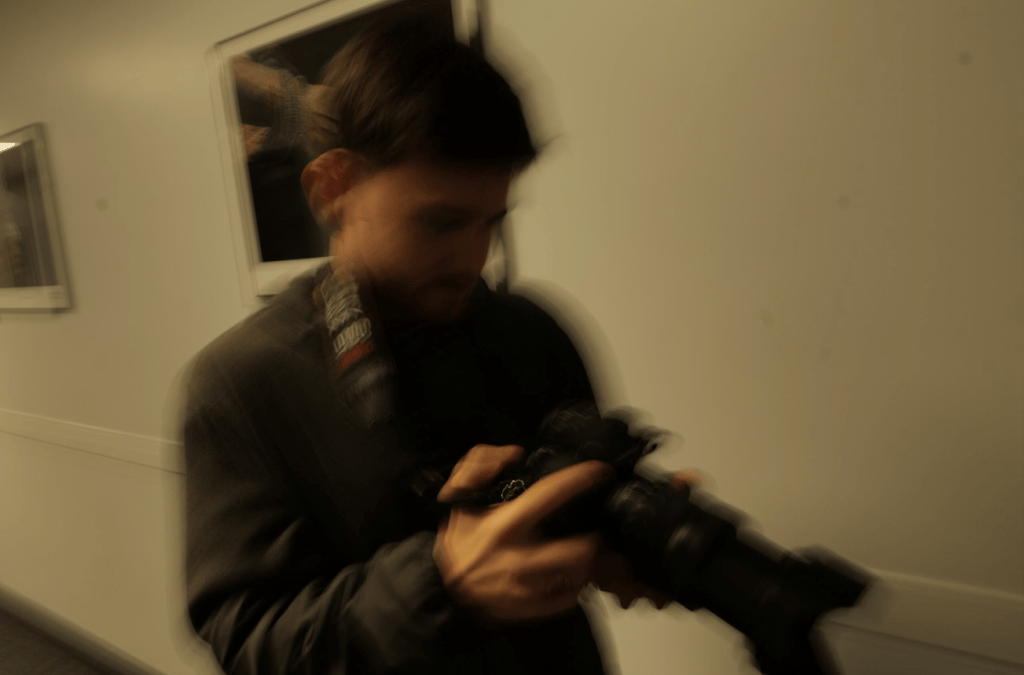
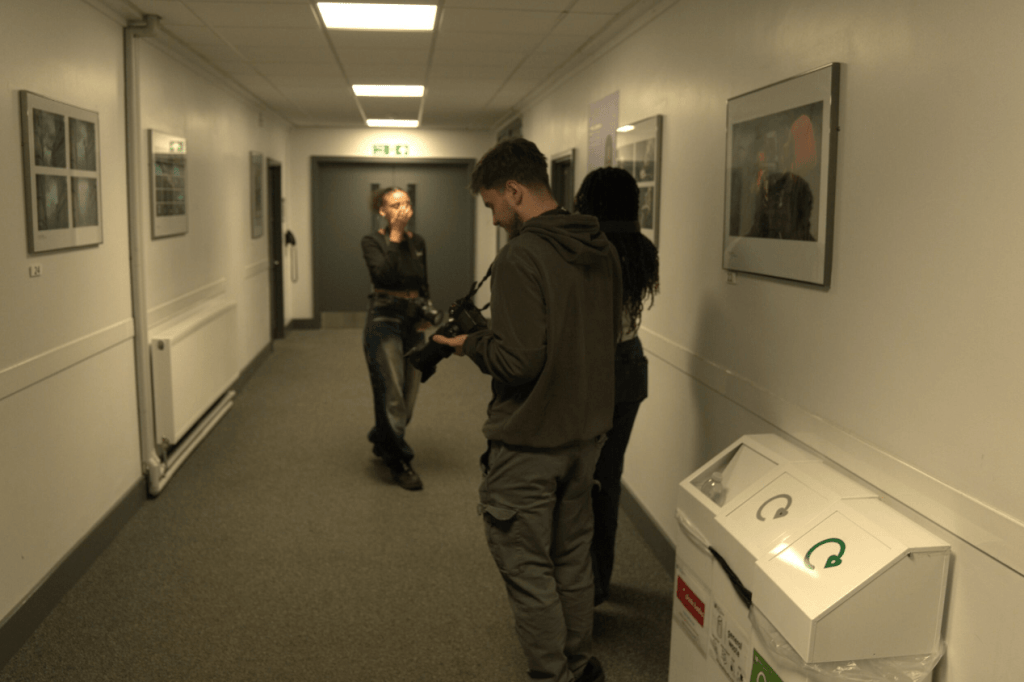
Shutter speed highlights the outcome of a photo depending on how long the cameras shutter stays open for to let light reach the sensor. When this action occurs it produces either high or slow shutter speed.

Slow Shutter Speed


Faster  Shutter Speed
Depth of fieldDepth of field – refers to how much of a photograph appears sharp and in focus from the front to the back, mainly affected by aperture, distance from the subject, and focal length, allowing photographers to control how much of a scene is sharp or blurred.

Shallow depth of field – establishes only a small part of the image (usually the subject) is in focus, while the background and foreground is blurred.

Deep depth of field – requires most to all of picture  in focus, from foreground to background, which is commonly used in landscape photography.

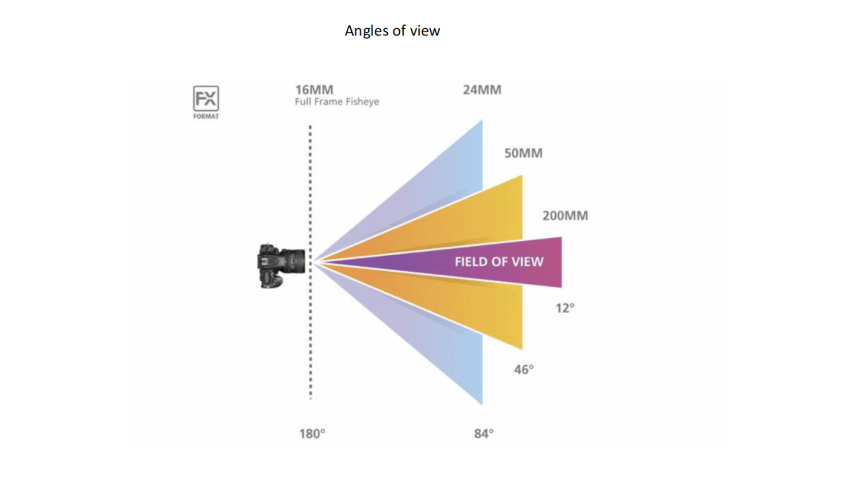
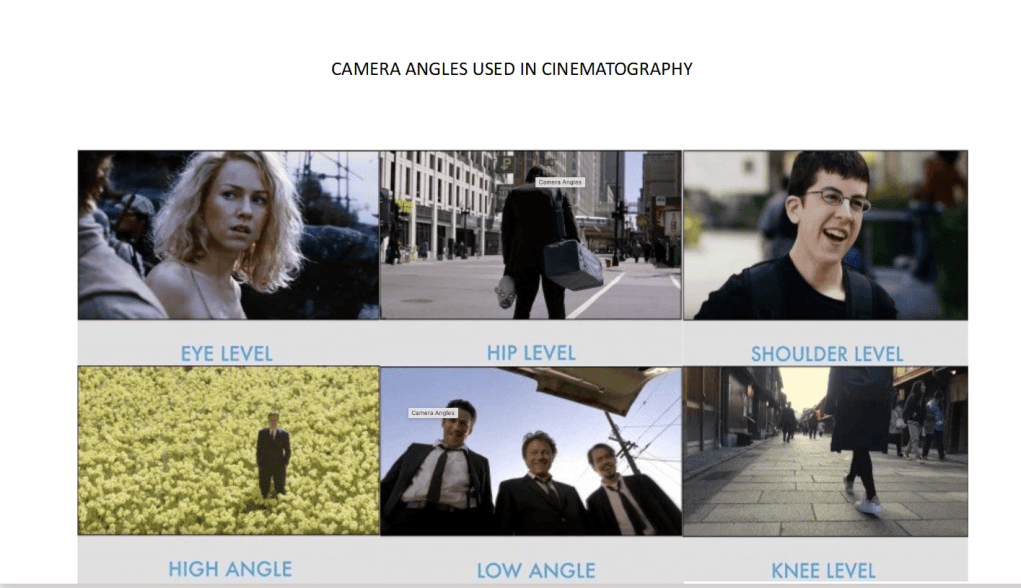
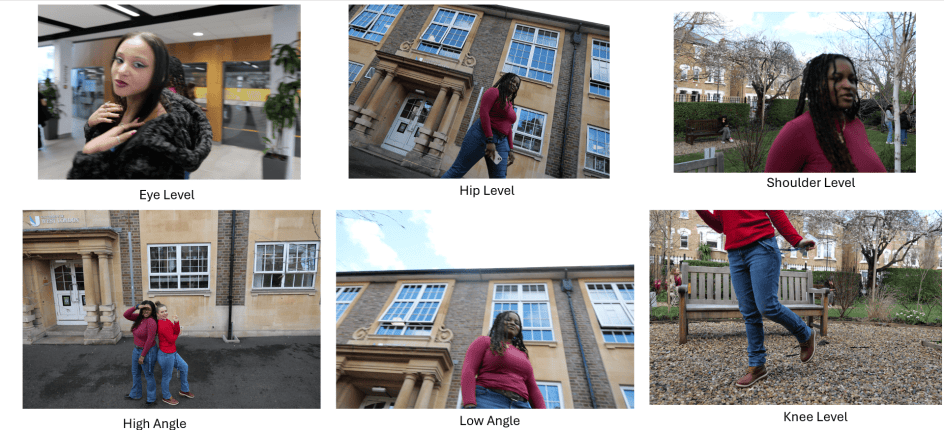
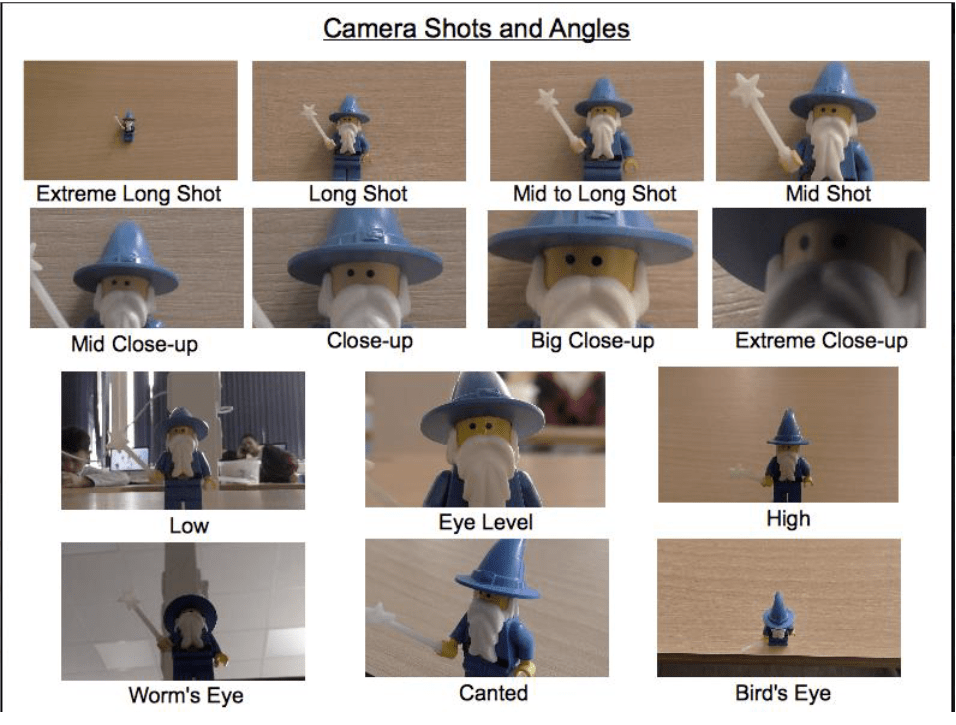
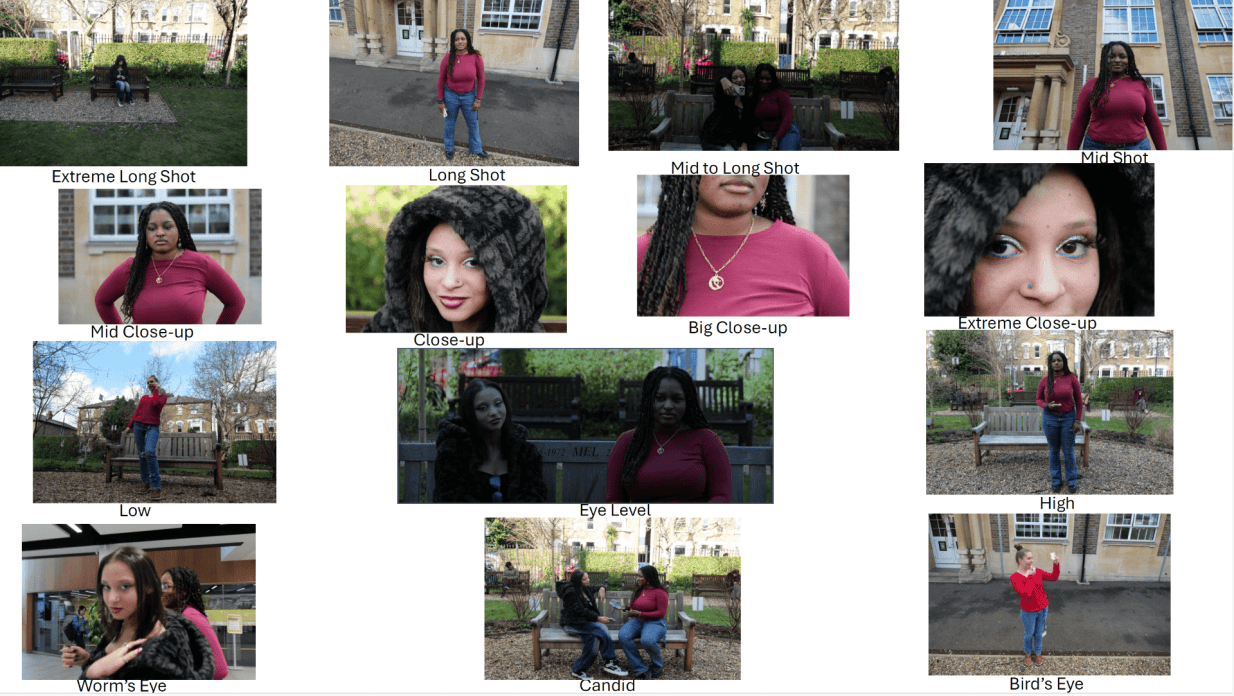
Developing Ideas – Shots, Angles and Camera Movement
For this task our goal for this lesson was to be able to identify the different types of shots and  practice this ourselves using a camera to get a real feel of the camera movement
(Images sourced from class)
For this task our aim was to reference the PowerPoint and come up with our own camera shots and angles

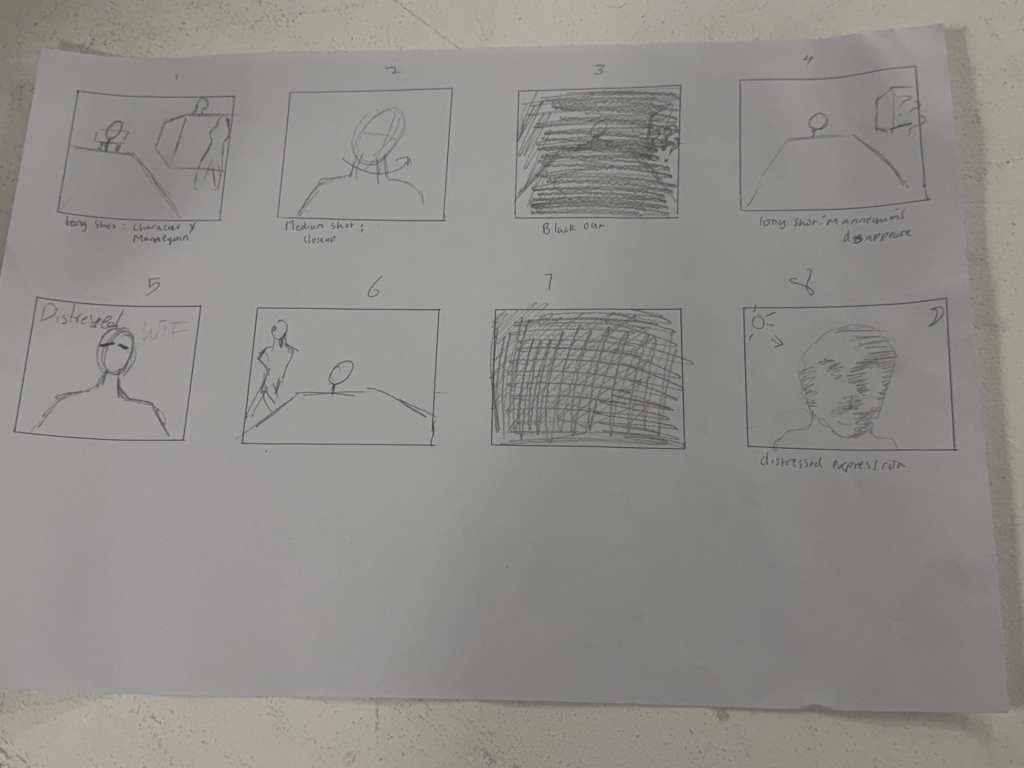
Assignment 1 – Story Board Practice
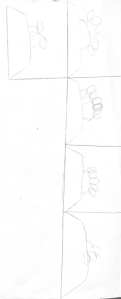
This storyboard is set in a classroom with one student and mannequin, our aim is to craft up eight still-stop-motion images to tell a story.
Cast
Subject – 1 – Protagonist – Student
Subject- 2 -Antagonist – Mannequin
Set – Classroom
Frame – 1 – Establishing shot where we are introduced to our protagonist and antagonist.
Frame – 2 – Protagonist looks around to mimic the idea he heard a sound.
Frame -3 – Lights go out!
Frame -4 – Protagonist is disturbed.
Frame -5 – Protagonist takes a breather.
Frame – 6 – Protagonist remains disturbed but decides to brush it off and go back to work.
Frame -7- Lights out!
Frame -8- Protagonist gets caught by antagonist!
(Frame 8 is different from our storyboard as we felt collectively as a group to end the story the best idea was for the protagonist to be caught by the antagonist)
My ideas – Assignment 1 – Brief 1 – Documentary
For this assignment I have decided to explore the idea of anti – subculture fashion. I will be documenting a group of young adults in Gloucester, as well as some self portraits. I have chosen to base my project on fashion as it is something I am passionate about and would also put myself into this alternative category. Anti -subculture fashion rejects the idea of what society thinks is trendy or what happens to be in style. This group has there own individual unique dress-sense out of the social norms, in which I will be capturing these distinctive elements through accompanying them on there day-to-day lives for a couple of days to capture the realism of this society. I aim to successfully tell this narrative through the professionalism of my photographs. I will also be taking some model esc professional photos to  fully bring to attention the significance of their own personalied sub-cultre signature style.
My criteria
– A total of 20 frames with an array of different shots such as long shots, full body shots and close-ups
– Effectively showcase a story
-Different outfits for dramatic effect
-Film in different locations
Inspiration

Corrine DayCorinne Day was a British photographer known for her raw, natural style that changed 1990s fashion photography. Her work focused on real emotion and youth culture, often rejecting the polished look of traditional fashion images. Corrine Day’s style has left me wanting to homage her style into my projects  by showing that fashion photography doesn’t have to be polished or perfect to be powerful. Day’s raw, natural style and focus on real people influenced me to explore anti-fashion subculture, rejecting traditional beauty standards and creating images that feel honest and rebellious.Day has influenced the ‘grunge look’ in which has become more popular in today’s society but not fully socially accepted. Later on in her career she was able to capture catalogue photography and present fashion in a more professional manner but still obtaining the anti- subculture fashion appeal. I aim to showcase both of her cinematic photography elements through polished and un-polished imagery.

Ai Weiwei 

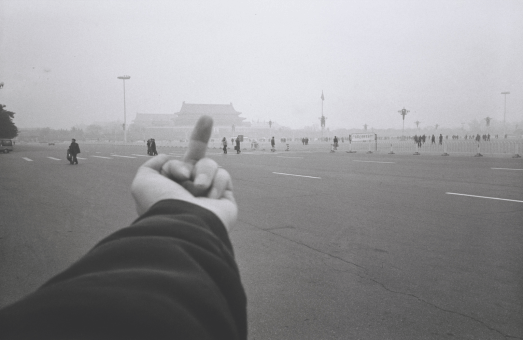
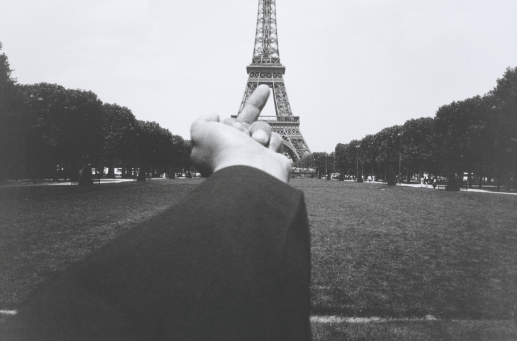
Ai Weiwei is a Chinese artist and activist known for his bold and often political artwork. He uses photography and other media to challenge authority and speak about freedom and human rights. Results of this left me  inspired by Ai Weiwei’s Study of Perspective series, where he uses the middle finger as a provocative gesture to challenge authority and dominant cultural norms. His work reflects an anti-subculture attitude, rejecting traditional respect for institutions and questioning accepted values. In my own piece, I aim to display his rebellious approach, using imagery to express resistance and individuality, as well as disrupt expectations and encourage spectators to think critically about power, culture, and the idea of conformity.
My Storyboard
For my finished project I have decided to present my work into a slideshow format rather than a singular photographic story-board. Reasons for this, give my project more of a documentary vibe as it gives a home movie esc feel. In summary, I have felt like I have successfully told the a story of an anti-subculture fashion like society, by capturing the realism of there day-to-day lives.The challenges I faced prior before conjuring up my project was operating the camera to its full efficiency, with a little bit of help from my friends I was able to produce the countless photos at high quality and aid narrative for this practical task.
Sequencing, Seriality, and Visual Rhythm
The Language of Pictures: Exploring Sequences
The basics of Photography and Composition
– The concept of  composition in photography infiltrates the direction of all objects/items within in a shot. Reasons for this action to be demonstrated is important as the spectator will look at the most significant element by default – this is why placement is key.
Rule of Thirds
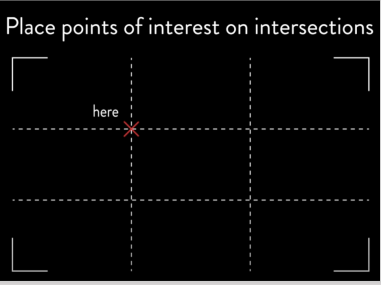
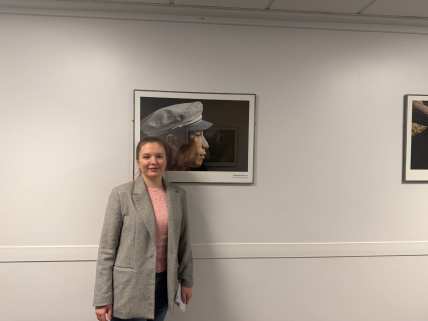
-The rule of thirds presents 3×3 grid acting as a compostional guideline, with careful consideration placing subject within or around frame lines aids a sense of balance.
Steve McCurry
(reference to in class powerpoint)
(My images)
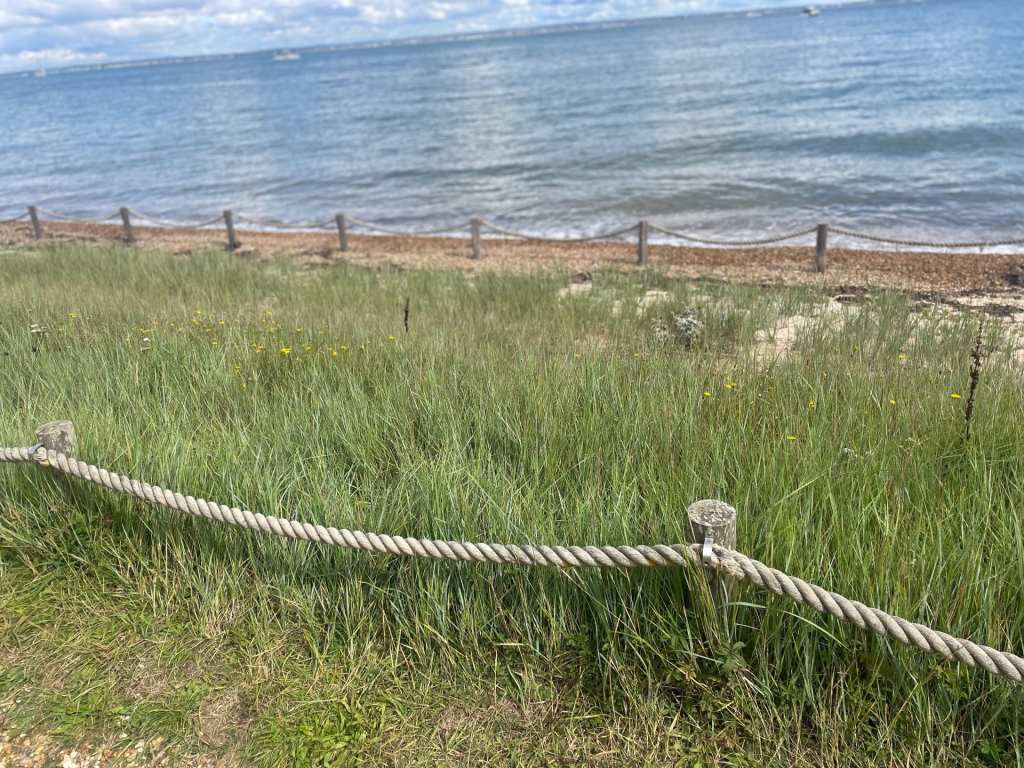
Leading Lines
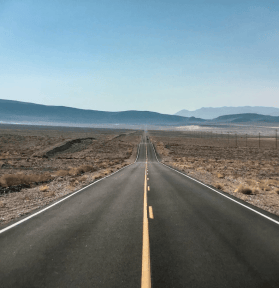
-Leading lines present natural/man-made lines as an agent guiding the spectators eye.
Diagonal
(My image)
Framing
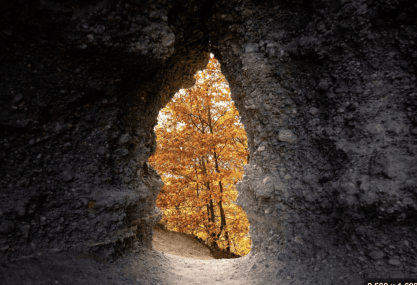
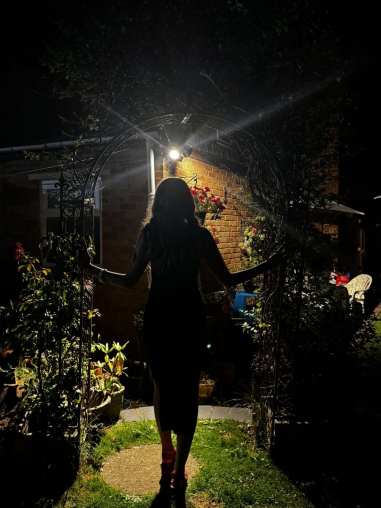
– Framing relates to the use of frames like  branches, windows and doors in an image centred around the main subject.
(My Image)
Figure to Ground
-The concept of figure to ground is a photograph aiming to show deep separation between subject and background.
Fill the Frame
-Fill the frame is having subject in close Frame subsiding background etc.
  
(My image)
Center Dominant Eye
– This is where a persons more prominent/dominant falls within centre of frame.
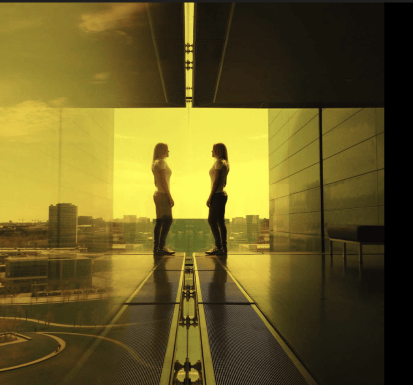
Symmetry
           
(My image)
 
Golden Spiral Rule
Golden spiral rule also known as the divine proportion is a composition tool used to guy the spectators eye through an image in a flowing/natural way.
 
Patterns & Repetition
(My image)
Forced Perspective
A forced perspective is a method that creates an optical illusion.
My Sequence
All images
 
Through trial and error these images were the most fitting for my sequence

 Visual Continuity
Visual Continuity – is where a series of pictures have something in common such as -colour
                                                                                                                                                         – light
                                                                                                                                                          -mood
                                                                                                                                                          -shape
                                                                                                                                                          -texture
For my images I decided to do colour and light

Jeff Wall
Research task on Photographer Jeff Wall
  1. What mode of address is the photographer using?
    – In this you tube video Jeff wall follows a conversational mode of address, he does this through his voiceovers and communication with the spectator etc.
  2. What is your reading of the story in the image? What is an alternative reading?
    – In my opinion Jeff Wall takes a cinematic approach to his photography in order to convey that there is meaning to life.
  3. What are the cues that led you to that conclusion?
    – Jeff Wall presents a cinematic approach to his photography through his staged documentary photographs. Wall has a way of making these images look more spontaneous/ candid rather than staged. Results of this take a more director like approach making it cinematic.
  4. How would your narrative reading shift in a different context?
  5. -Walls cinematic photography style shifts  narrative as it almost sits on the cusp of documentation and fiction

 Sequencing and Seriality

In this lesson we looked at a series of images and how they are structured/distinguishing patterns

We started off by looking at Eadweard Muybridge (1830-1904)

This is Muybridge’s work of four pictures of horses galloping, this was executed by setting up a couple of cameras in which trigged a sequence. Results of his work inspired the progression photography.

Harold Eugene Edgerton (1903-190)

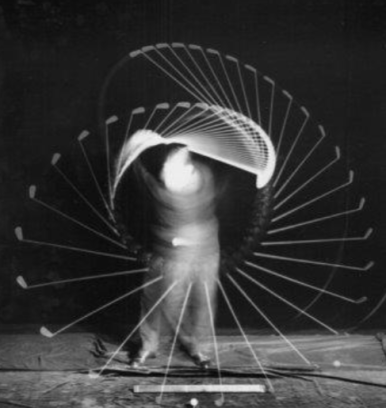
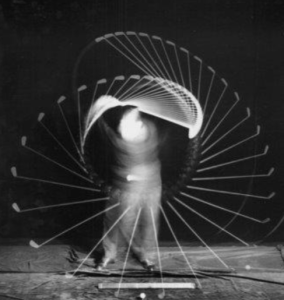
Edgerton was a photographer and engineer known for advancing high-speed photography , as well as strobe. This is Edgerton’s ‘ Bobby Jones multi-flash golf swing’ (1938).Edgerton showcased motion multiple strobe flashes within a single long exposure, in order to obtain Bobby Jones’s swing action. Overall we are greeted with a single image presenting the entire motion of the swing over a course of time.
Duane Michals (1932)
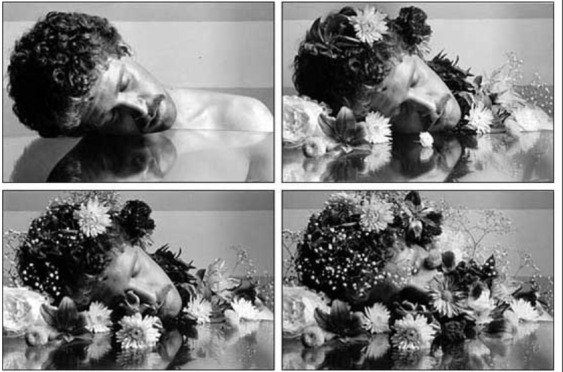
This is Michals” The Dream of Flowers” a four-image gelatin silver photographic sequence. The meaning behind this conveys a sense surrealism and intimacy, Michals tends to be classed as a significant individual when it comes to contemporary and conceptual photography.
 My images
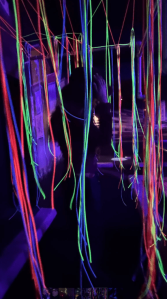
In homage to Edgerton I have decided to show the concept of movement by taking a series of images of a wire instead of one still image
Singular image
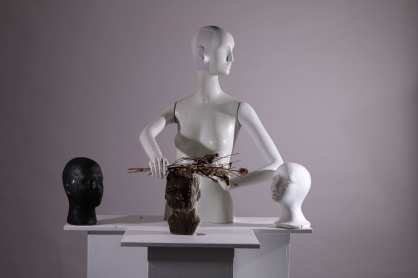
In this lesson we was instructed to work as a team to produce a singular image, in which we started off by looking around the classroom for our set. Collectively we decided on using these mannequins , arranging tables and placing dried out flowers in mannequins hand. When we was all happy with the layout we added a white backdrop and took a series of images with various different lighting.
After that we endeavoured to do some light painting which involved using our phone flash cameras and moving them around once the photo was taken.
Week 10
In this lesson we looked through a few different photographers work and the concept of lighting
7 Essential Lighting for Photography Portraits
-Broad Lighting
-Back Lighting
-Loop Lighting
-Split Lighting
-Rembrandt Lighting
-Butterfly Lightening (& Clamshell Lighting)
-Short Lighting
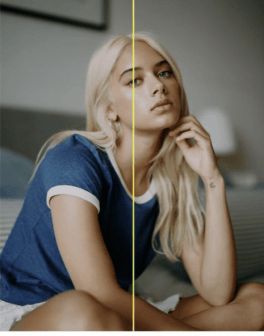
Broad Lighting – refers to the camera lighting capturing the most lit part of the face.
(Images sourced from google)

Back Lighting – back lighting is when model is placed in front of light it is also known as edge lighting
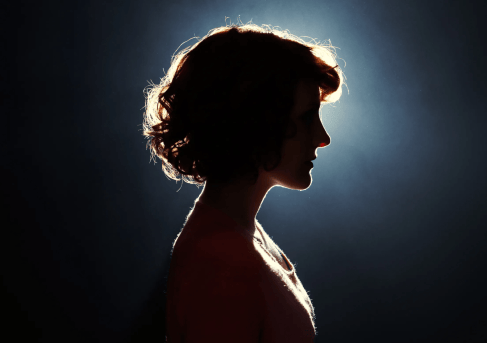
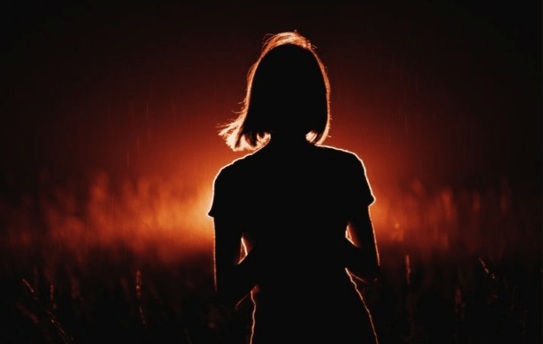
Loop Lighting – lightly contours facial elements with soft shadows on the opposing side of cheek from light.
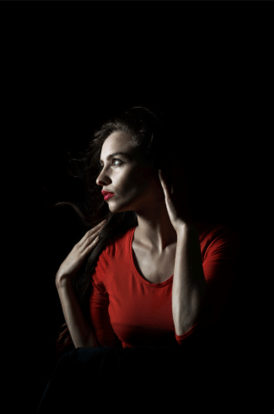
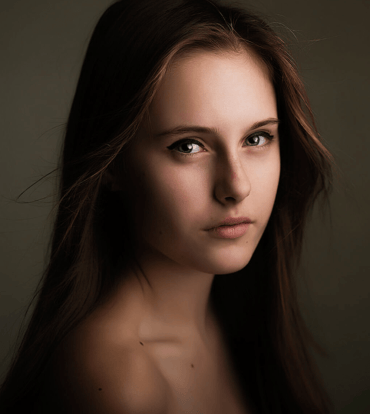
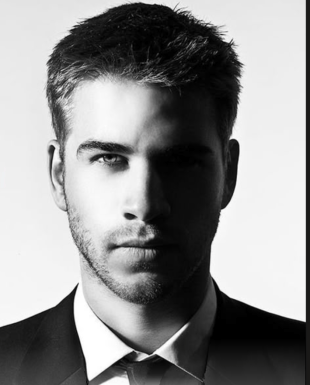
Split Lighting – is broken up to, two different parts of one side unlit and lit.
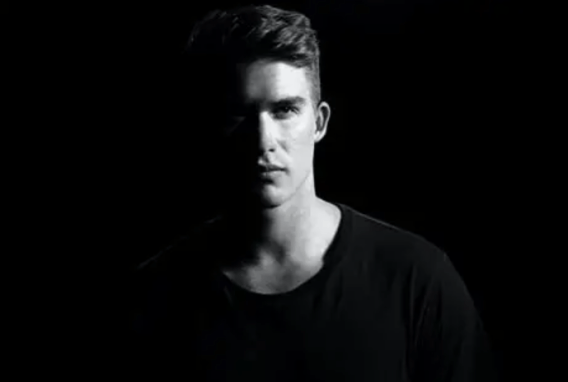
Rembrandt Lighting – origins of name resonate with Dutch painter. This style of lighting follows similar attributes to loop lighting but with a profound triangle of light placed on check, connected where cheekbones and nose shadows meet.
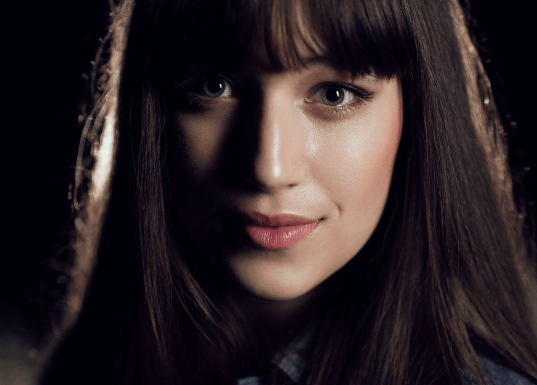
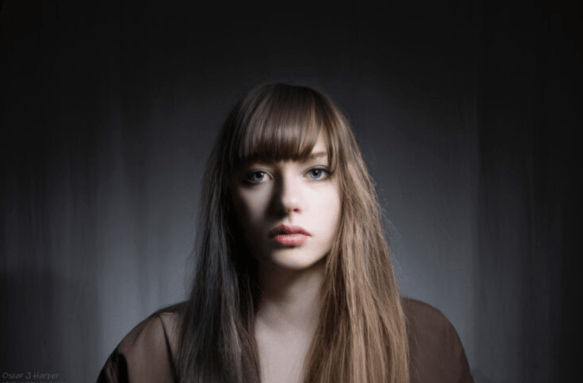
Butterfly Lighting – symbolises a butterfly like-shadow located under model’s nose, accompanied by soft and lighter shadows beneath cheek bones and chin.
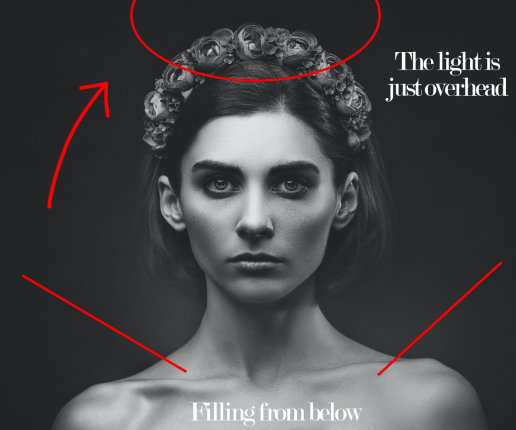
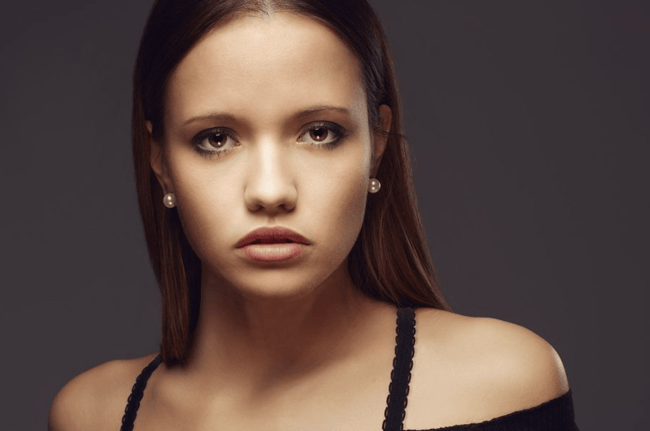
Short Lighting- is the opposite of broad lighting, as it refers to any lighting style (Rembrandt, Loop and Split etc) where the darker side of the face is positioned more to the camera.
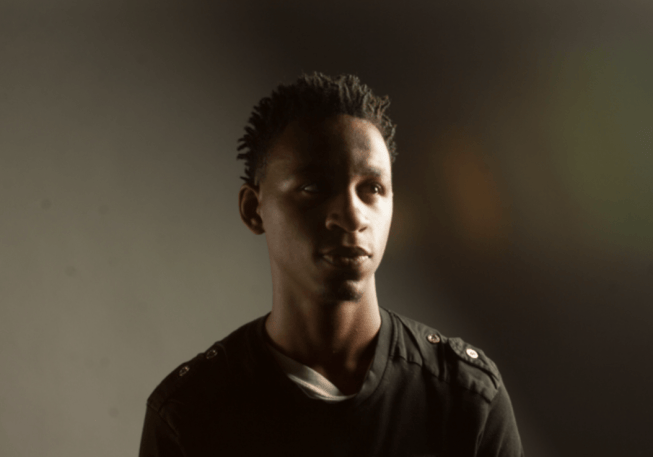
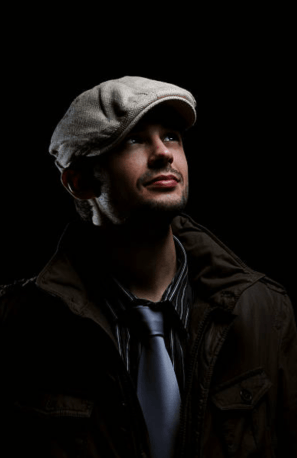
…

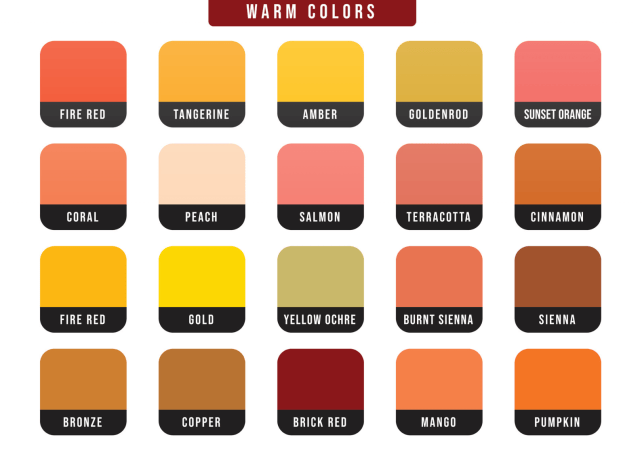
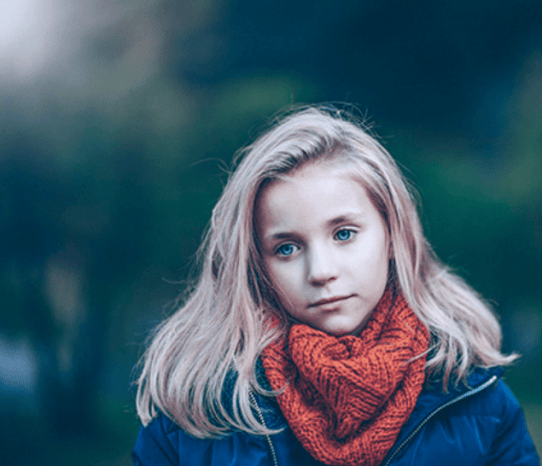
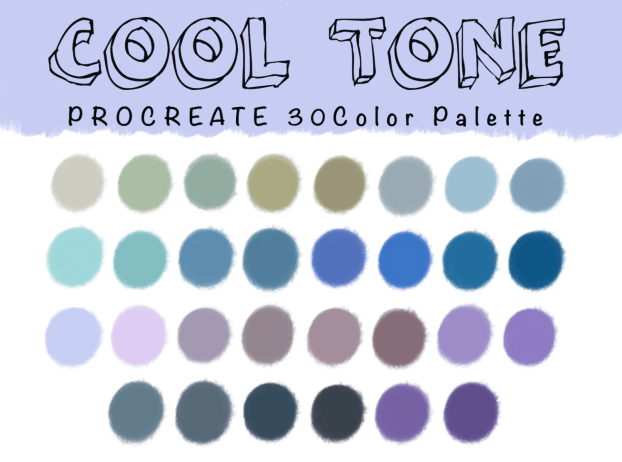
Light has a big fundamental impact when it comes to the concept of photography and producing quality pieces (without light nothing is visible). In todays society we have found a way to manipulate artificial light to suit, as well as  natural, lighting has a big impact on a photograph as lighting organically creates a mood and gives us the ability to see what we are working with. Connotations of warm light temperature  such as reds, yellows and oranges etc  can produce feelings of  happiness, nostalgia and potentially intimate like feels. In contrast, cool tones of light are completely opposite, staring off with colours like purple, blues and soft greens  etc simultaneously can  create a sad, calm or detachment like features. Results of this make choosing the right kind of  light/structure and intensity  for the image at hand challenging  as it can change the purpose and narrative.
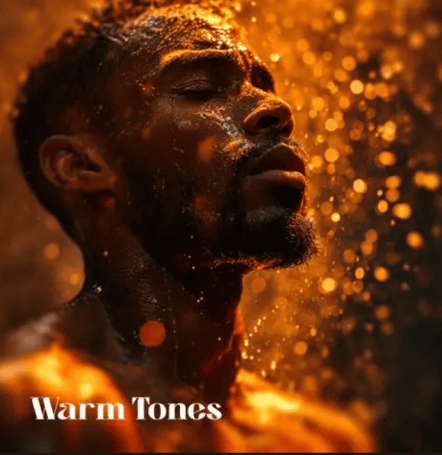
Some photographers we looked at within reference

(Images sourced from in class PowerPoint)
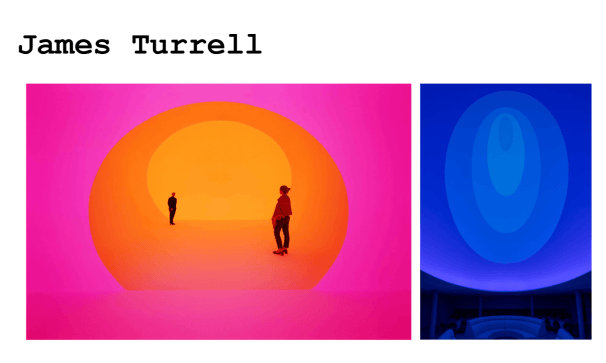
  

We also looked  at the photographical work of Daniel Barenboim with Schubert. https://tomfecht.com/portfolio/portraits/sounds-end/
Assignment 2 – Portfolio of Photographic Work and Imagery
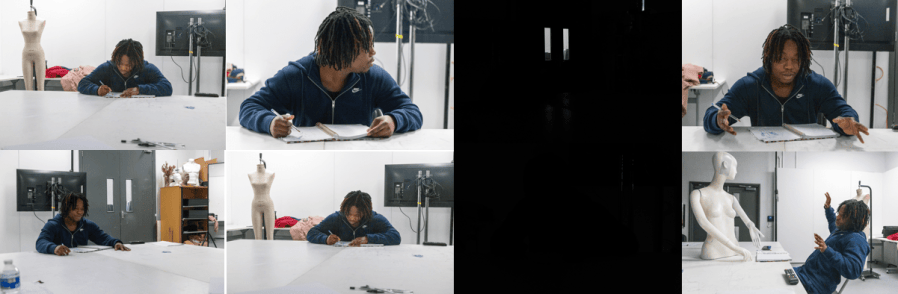
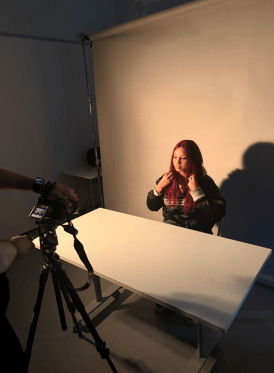
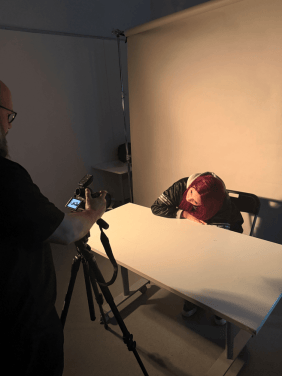
For this assignment I have chosen to take a stroboscopic approach. Stroboscopic refers to the idea of one object creating an illusion of consecutive movement, to create this I will be using myself as the subject. This will be filmed in the studio where I will be sat down in front of a desk with a back drop, camera and light stands in which, I will adjust the lighting to aid narrative to create the impression of constant movement. Once camera has been set off I shall move my head to create the  stroboscopic effect.
Harold Eugene Edgerton was an American photographer and engineer who used stroboscopic techniques to capture multiple stages of motion in a single image. One of his most famous stroboscopic works is the ‘Golf Swing.’ Harold Eugene Edgerton’s work through the use of movement, repetition, and capturing motion over time has led me to  the  inspiration for my project.

My story board
Set up

Location: Studio

Model: 1

Frame 1: Full even layout of the illusion of multiple heads

Frame 2: Even image of illusion of multiple heads following a diagonal motion

Frame 3: Illusion of 5 heads stemming from the right hand side

Fram 4: Intense stare of illusion of 3 heads produced from right side

Frame 5: Illusion of 2 heads with different facial expressions.
Slideshow

Option 1 – Shadow Thief
My photography tells a narrative through showing a sequence of actions/changes, allowing the spectator to follow a story from beginning to end. The repetition of similar scenes with slight differences suggests movement, as if something is happening step by step, which builds a sense of progression and time passing. Connotations of mystery, identity, and loss, aids the concept of an underlying “shadow thief.” The stroboscopic features of the shadow appearing to move/ separate from the subject creates a sense that something is being taken away, which also links to themes of absence and the unknown etc. This also connects to imagination and narrative, as the shadow becomes more than just light—it becomes a character within the story. Strong directional lighting creates clear, defined shadows, making them the main focus of the images and allowing the illusion of the “shadow thief” to work. The contrast between light and dark adds drama/tension, while the positioning of the light source helps distort or extend the shadow, making it appear unnatural and reinforcing the idea of something mysterious or being stolen.The concept of lighting plays a key role as it aids the story line and produces dark undertones to the imagery.

Behind the Scenes
 
Animation – Assignment 3
In this project I aim is to craft a successful stop motion animation with a duration of 30 seconds, and produce a successful piece of work with clear direction and meaning. I will do this by gathering a collection of magazines, flicker through until I find the desired images then cut then up and begin my animation. The idea for this stop motion animation is to showcase humans interacting with nature and display themes of: connection/collaboration, intimacy and appreciation. The reason I choose to present the idea of humans in nature is to bring to the attention of spectator to relish nature and make them more aware of there environment. This is something society has become less appreciative other the years with the rising of less green spaces and littering etc.
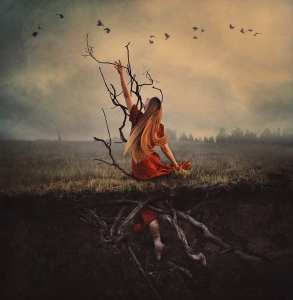
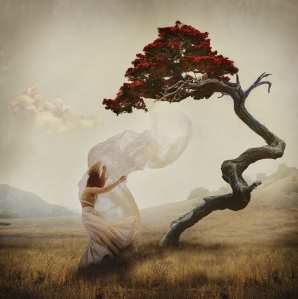
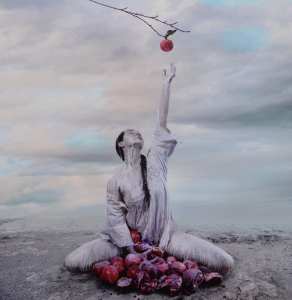
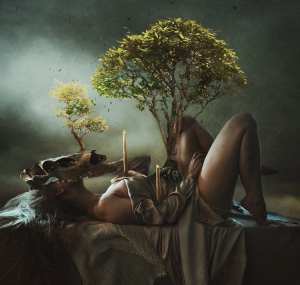
Moreover, I was also inspired by Brooke Shaden. Brooke Shaden addresses the connection between nature and humans through dreamlike/surreal photography that blends emotion with natural environments. Shaden’s  work often places solitary figures within fields,water, forests  or decaying landscapes to symbolise vulnerability, growth, and transformation.The photography style uses muted colour palettes, soft lighting, and painterly. Results of this, create an ethereal atmosphere. Shaden  frequently combines conceptual storytelling with digital compositing techniques, making the human body appear intertwined with nature through floating fabrics, or flowers, trees, and birds.Contrastingly, show casing nature to be realistically, her images explore psychological  connections to the natural world. The figures in her work often appear isolated or suspended within their surroundings, suggesting themes of identity, mortality, freedom, and the idea that humans are deeply connected to nature both physically and emotionally.Having said that,I am to capture some of these elements within my animation.

My project
Summary of Animation
When piecing up my cut out images and making the animation I discovered my video was too short. When thinking what to do to make my animation longer with still addressing meaning/purpose, I decided to tear each image and slowly bring them out of frame to introduce the idea idea that humans can find comfort, as well as self-discovery through nature.In relation to Brooke Shaden my project presents a emotional connection between nature and humans. Another way it refers to Shaden’s work is through the themes of identity, vulnerability, transformation, and the idea that humans are deeply connected to the natural world.

End of Course Overview

As a first time vfx university student visual narrative has introduced me to the fundamentals of storytelling through visual media and aided me to enhance my technical/creative skills,as well as communicate ideas visually. One challenges I faced was operating the camera/settings but as the course went on I managed to adapt and can now add basic use of camera work in my forte.This module also gave me the opportunity to collaborate with other students in the course, which is great as it shows how communication can affect the given project at hand. My favourite part of this module was crafting or looking  at photographs and conjuring up a story and how certain lighting etc can change narrative. More over, this part of the course has led me closer in becoming in the visual effects industry.